Can your smile journey be better for the environment? Every year, millions of plastic products are discarded, and dental materials are part of that growing challenge. Many people who choose removable teeth-straightening systems eventually wonder what happens to their used trays. Can they be recycled, or do they simply end up in a landfill? The answer is more nuanced than many people expect As more families adopt eco-conscious habits, interest in eco-friendly orthodontics continues to grow. Patients want treatments that improve their smiles while reducing unnecessary waste whenever possible.
If you are considering Invisalign in Brunswick, understanding how aligners are made, why recycling can be difficult, and what responsible disposal options are available can help you make informed choices throughout your treatment.
This guide explains the truth about aligner waste, common recycling misconceptions, and practical steps you can take to reduce your environmental footprint without compromising your oral health.
Why Is Invisalign Recycling More Complicated Than It Seems?
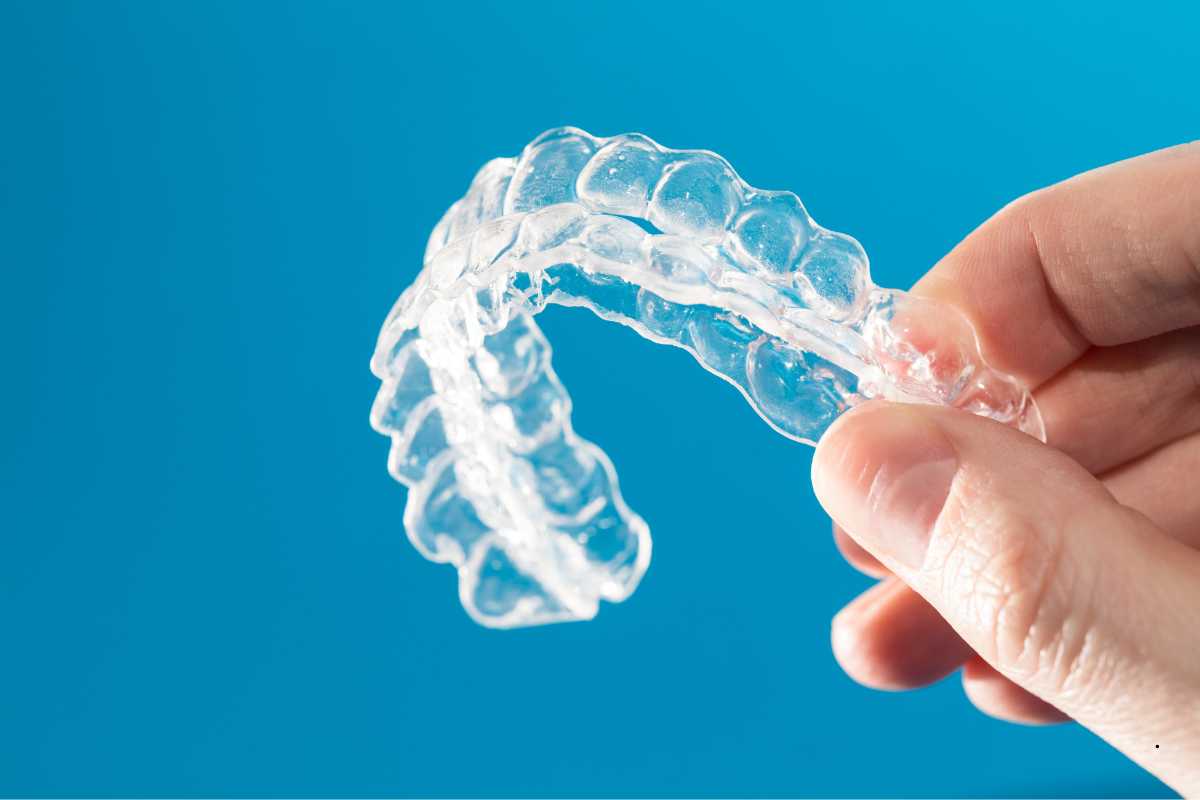
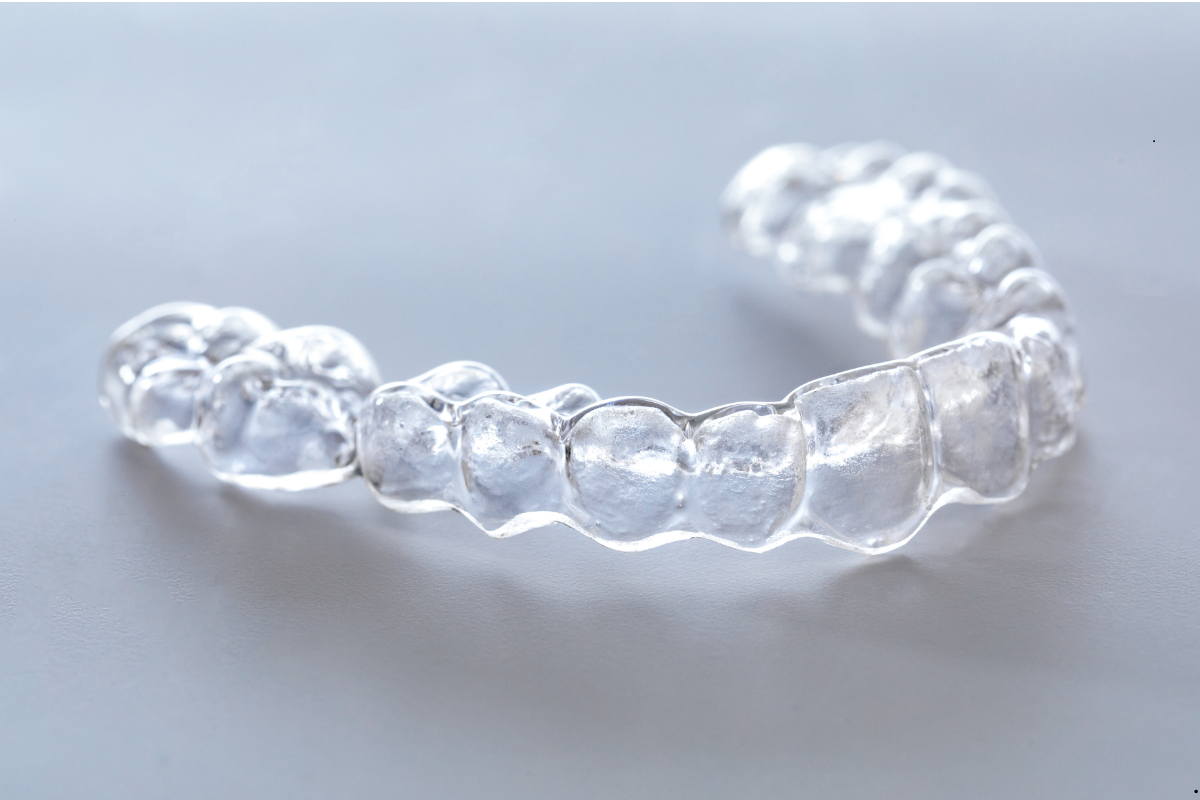
Most used aligners cannot be placed directly into household recycling bins because they are made from specialized medical-grade plastics that require specific processing methods.
Many people assume all plastic products can be recycled together. Unfortunately, that is not the case for dental appliances.
Modern aligners are manufactured from advanced thermoplastic material, including proprietary SmartTrack material, designed to deliver predictable tooth movement. These materials are durable, transparent, and biocompatible, but they are not accepted by most municipal recycling facilities.
In addition, once trays have been worn inside the mouth, they are considered contaminated with saliva and other biological materials. Standard recycling centers are generally not equipped to process these products safely.
Understanding this distinction helps patients dispose of aligners responsibly rather than unintentionally contaminating local recycling systems.
What Happens to Used Invisalign Trays?
After completing each stage of treatment, many patients accumulate dozens of used Invisalign trays. Since trays are typically replaced every one to two weeks according to an aligner replacement schedule, the amount of material generated during treatment can be significant.
Instead of immediately throwing away every tray, consider whether your orthodontist recommends keeping a few previous sets. Earlier trays may occasionally be useful if a current tray is damaged or temporarily misplaced before your next appointment.
Once they are no longer needed, the remaining trays should be disposed of responsibly in accordance with your provider’s recommendations and available plastic recycling programs.
This approach supports dental waste reduction while ensuring your treatment continues as planned.
Are Invisalign Aligners Actually Recyclable?
Yes, but not through curbside recycling. This is one of the biggest misconceptions surrounding Invisalign recycling.
Although the trays are manufactured from high-quality BPA-free plastic, they are classified differently from everyday household plastics. Their unique composition means they cannot simply be sorted with bottles, food containers, or packaging.
Instead, some manufacturers and specialized recycling organizations accept dental plastics through dedicated collection programs. Availability varies by location, so it is worth asking your orthodontic provider whether they participate in any dental recycling initiatives or can recommend approved recycling options.
Choosing proper disposal methods helps reduce orthodontic plastic waste while supporting broader efforts toward sustainable dental care.
How Can You Reduce Plastic Waste During Treatment?
Living sustainably is about making thoughtful decisions, not achieving perfection. Even though aligners cannot usually be recycled at home, there are several ways patients can reduce unnecessary waste throughout treatment.
- Store Your Trays Properly
Using the protective case provided by your orthodontist helps prevent accidental damage or loss. Replacing trays because they were misplaced creates additional waste that could have been avoided.
- Follow Your Treatment Instructions
Wearing each set as directed keeps your orthodontic treatment planning on schedule. Skipping ahead or damaging trays may require replacements, increasing material use.
- Avoid Throwing Trays into Household Recycling
Placing dental plastics into curbside recycling can contaminate recycling streams. Following proper recycling guidelines benefits both your local community and broader waste management efforts.
- Ask About Recycling Opportunities
Some dental practices stay informed about emerging recycling partnerships and environmentally responsible dentistry programs. Asking questions during your appointment is one of the simplest ways to support orthodontic sustainability while staying informed about evolving recycling options.
Can Eco-Friendly Orthodontics Really Make a Difference?
Yes, Individual actions may seem small, but they contribute to larger sustainability efforts when combined with responsible clinical practices and informed patient choices.
Modern eco-friendly orthodontics is about more than recycling. It includes reducing unnecessary waste, embracing digital technology, and encouraging environmentally responsible habits throughout treatment.
For example, many practices now use digital orthodontics to replace traditional impressions with digital scans. This reduces the use of disposable materials, improves accuracy, and minimizes the need for remakes.
Other sustainable efforts may include:
- Using digital records instead of paper files
- Reducing single-use office materials where appropriate
- Supporting environmental conservation through waste reduction practices
- Educating patients about responsible consumer habits
- Participating in recycling initiatives whenever available
These changes may seem modest individually, but together they contribute to more sustainable oral healthcare while maintaining high standards of patient care.
Common Myths About Recycling Invisalign Aligners
Many misconceptions prevent patients from disposing of aligners responsibly. Understanding the facts helps you make environmentally conscious decisions.
- Myth: Every Plastic Product Can Go Into My Recycling Bin
Not all plastics are processed the same way. Dental appliances require specialized handling because of their material composition and clinical use.
- Myth: Washing Aligners Makes Them Recyclable
Cleaning trays removes visible debris but does not change how recycling facilities classify medical or dental plastics.
- Myth: Throwing Them Away Is the Only Option
While curbside recycling is usually not appropriate, some manufacturers and specialty recycling partners offer collection programs for dental plastics. Your provider can help you determine whether these options are available.
- Myth: One Person’s Waste Doesn’t Matter
Every patient who follows proper disposal practices contributes to reducing plastic waste. When thousands of people make informed decisions, the environmental impact becomes meaningful.
Why Professional Guidance Matters for Responsible Aligner Disposal
Patients often search online for disposal advice and find conflicting information. Recycling rules also differ between municipalities, making general recommendations unreliable. Rather than guessing, ask your orthodontist about the most appropriate way to dispose of your completed trays.
A knowledgeable provider can explain:
- Whether any local plastic recycling programs accept dental plastics
- When older trays should be kept as backups
- How to dispose of damaged orthodontic retainers
- Practical ways to support green dentistry during treatment
Professional guidance ensures your treatment stays on schedule while helping you make environmentally responsible decisions.
Can Sustainable Choices Affect Your Treatment Results?
Choosing environmentally conscious habits should never compromise treatment quality.
The most effective way to support both your smile and the environment is to follow your treatment instructions carefully.
- Wear your appliances as prescribed.
- Store them safely.
- Clean them properly.
- Avoid unnecessary replacements.
These simple habits reduce clear aligner waste, support orthodontic sustainability, and help maintain predictable tooth movement throughout treatment.
If you have questions about disposal or replacing damaged trays, discussing them early can prevent interruptions to your treatment plan.
How Weaver Orthodontics Supports Patients Beyond Treatment
A successful smile transformation involves more than straightening teeth. It also includes helping patients make informed decisions throughout every stage of care.
At Weaver Orthodontics, patients receive guidance on treatment planning, appliance care, and responsible disposal practices in accordance with current recommendations. Whether you are beginning treatment or nearing completion, understanding your options helps you feel confident about every step.
If you are seeking Invisalign in Brunswick or have questions about caring for your appliances responsibly, now is the perfect time to book an appointment. Our team is happy to answer your questions and explain how modern treatment can fit your smile goals while encouraging environmentally responsible habits.
Frequently Asked Questions
1. Can I recycle my used aligners in my household recycling bin?
No, most aligners are made from specialized medical-grade plastics that are not accepted by curbside recycling programs. Your orthodontic provider can advise you on approved disposal methods or specialized recycling programs available in your area, while ensuring your treatment continues without interruption.
2. Should I keep my old aligners after switching to a new set?
Yes, in many cases. Your orthodontist may recommend keeping your previous set temporarily in case your current tray becomes lost or damaged. Before discarding older trays, ask your provider how long they should be retained and whether any recycling options are available.
3. Are retainers recycled the same way as aligners?
Retention appliances are also made from specialized dental materials and generally cannot be placed in household recycling bins. Because materials vary, your dental provider can recommend the safest disposal method and explain whether specialty recycling opportunities exist for your appliance.
4. Does choosing removable aligners create more plastic waste than traditional braces?
Every orthodontic treatment has its own environmental impact. Removable appliances generate plastic waste, whereas traditional braces use different materials and manufacturing processes. The most environmentally responsible approach is to follow treatment instructions carefully and dispose of appliances in accordance with professional recommendations.
5. Why should I ask my orthodontist before disposing of my aligners?
Your provider understands the materials used in your treatment and stays informed about current disposal recommendations. They can tell you whether older trays should be kept as backups, explain available recycling options, and help you make environmentally responsible decisions while keeping your treatment on track.
Choose a Greener Way to Straighten Your Smile
A healthier smile and a healthier planet can go hand in hand. While not every aligner can be recycled through traditional programs, understanding proper disposal methods, reducing unnecessary waste, and following professional guidance all contribute to more sustainable dental care.
We invite you to visit our Brunswick dental practice to learn more about environmentally conscious treatment options and responsible aligner care. Weaver Orthodontics proudly serves patients throughout Brunswick, St. Simons Island, Sea Island, Darien, Kingsland, Jesup, Waycross, and surrounding Southeast Georgia communities, helping families achieve confident smiles while making thoughtful choices for the future.
**Disclaimer: This content should not be considered medical advice and does not imply a doctor-patient relationship.