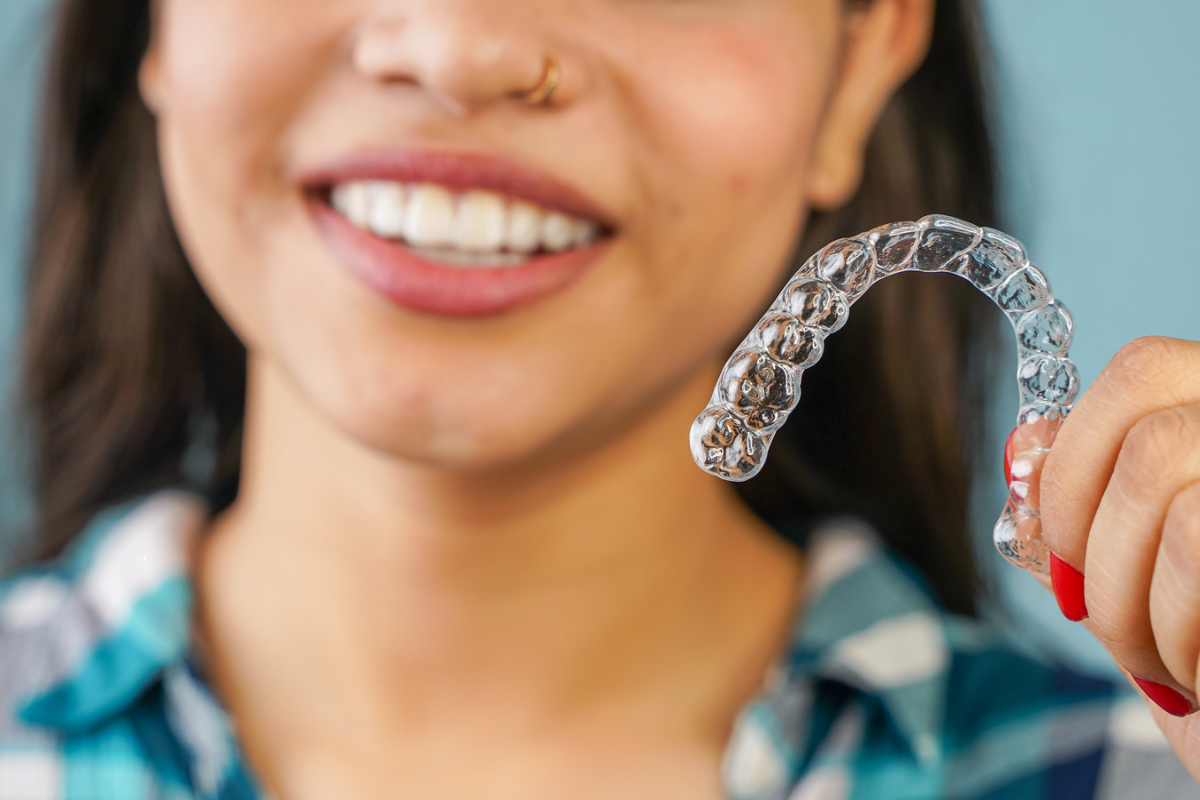
Your wedding day is filled with moments you will want to remember forever. From engagement photos to exchanging vows, your smile will appear in countless pictures. If crooked teeth, gaps, or crowding make you hesitant to smile, planning orthodontic treatment before your wedding could help.
But how early should you begin?
Ideally, you should start planning 12 to 18 months before your wedding. Some minor alignment concerns may require less time, while complex cases can take longer.
At Weaver Orthodontics – Brunswick, Dr. Weaver and Dr. Yanisis B. Romero help patients explore treatment options based on their dental needs and wedding timelines. Consulting an orthodontist about invisalign can help you understand how much time your smile may need.
How Early Should You Start Before Your Wedding?
Your ideal starting date depends on your teeth, bite, and desired results. Clear aligner treatment gradually moves teeth through a series of removable trays.
Although some people notice improvements within several months, completing treatment generally takes longer.
Here is a practical planning guide.
| Time Before Wedding | Recommended Approach |
| 18–24 months | Begin evaluating moderate-to-complex alignment concerns. |
| 12–18 months | A useful planning window for many comprehensive cases. |
| 6–12 months | Some mild or moderate cases may fit this timeframe. |
| 3–6 months | Limited corrections may be possible for suitable candidates. |
| Under 3 months | Seek an evaluation to understand realistic options. |
These are general planning ranges, not guaranteed treatment durations. Your individual timeline depends on the movements your teeth require.
Wedding planning tip: Aim to finish active treatment several weeks before your wedding, if clinically possible. This allows time to discuss attachments, retainers, and final smile preparations.
What Determines Your Teeth Straightening Timeline?
Not every smile requires the same amount of correction. Several factors influence how long treatment may take.
1. Your Current Teeth Alignment
Small gaps or minor crowding may require fewer aligners. Significant crowding, rotations, or bite problems often need additional stages.
Some concerns cannot be addressed predictably with clear aligners alone.
2. Your Bite and Jaw Position
Straight-looking front teeth do not always indicate proper alignment. Overbites, underbites, and crossbites can affect chewing and tooth wear.
Correcting these concerns may take longer than improving the appearance of individual teeth.
3. Your Daily Aligner Wear
Most patients must wear their trays about 20–22 hours daily, per their clinician’s instructions.
Removing them too frequently can delay tooth movement and affect the treatment schedule.
4. Your Response to Treatment
Teeth do not always move exactly as projected. Additional trays, sometimes called refinements, may be necessary to complete planned corrections.
This is why beginning early provides valuable flexibility.
What If Your Wedding Is Six Months Away?
Six months can be enough time for certain limited alignment corrections, but it is not sufficient for every patient.
For example, someone with minor spacing may have a different timeline from someone with substantial crowding.
If your celebration is approaching, consider these steps:
- Arrange an initial evaluation promptly.
- Explain your wedding date and photography plans.
- Ask which alignment concerns can realistically improve.
- Discuss whether treatment could continue after the ceremony.
- Request guidance about attachments and tray removal during photographs.
Patients considering invisalign in Brunswick can visit our dental office to discuss their wedding goals with an orthodontist and learn what treatment may involve.
Even if treatment can’t be finished before the ceremony, noticeable progress may still be possible. However, the amount of improvement varies.
Why Clear Aligners Appeal to Engaged Couples
Wedding preparations often involve fittings, celebrations, travel, and frequent photographs. Clear aligner therapy offers several practical advantages during this busy period.
A Discreet Appearance During Wedding Preparations
The transparent trays are less noticeable than traditional metal braces. This can appeal to couples attending engagement parties, bridal showers, and pre-wedding photography sessions.
Removable Trays for Meals and Photographs
You can remove your trays for meals and special photographs when appropriate. However, maintaining your prescribed daily wear time remains essential. Your clinician should also explain how visible tooth-colored attachments may appear in pictures.
Easier Brushing and Flossing
Removable trays allow you to maintain your usual brushing and flossing routine. Clean your teeth before reinserting the trays, especially after meals and sugary drinks.
Digital Planning for Your Smile
Modern treatment planning uses digital records to assess tooth positions and map intended movements. Your projected smile can help guide discussions, although digital previews do not guarantee an identical final result. For couples with demanding schedules, Invisalign may offer convenient flexibility without sacrificing the need for regular clinical supervision.
How to Prepare Your Smile Before Wedding Day
Successful wedding smile preparation involves more than selecting a treatment start date. Consider the following timeline.
Three to six months before the wedding
- Follow your prescribed aligner schedule consistently.
- Attend progress appointments.
- Discuss any concerns about tooth movement.
- Ask whether refinements may affect your expected completion date.
Four to eight weeks before the wedding
- Review your progress and remaining treatment needs.
- Discuss attachment removal if clinically appropriate.
- Ask whether professional whitening is suitable after treatment.
- Confirm your retainer plan if active treatment is ending.
One to two weeks before the wedding
- Maintain regular brushing, flossing, and tray cleaning.
- Avoid making unapproved changes to your treatment.
- Confirm instructions for removing trays during photographs.
- Keep your current trays and storage case readily available.
Professional teeth whitening should be planned with your dental team. Attachments and ongoing tooth movement can affect when whitening is appropriate.
Can You Wear Aligners During Your Wedding?
Yes. You can generally continue clear aligner treatment throughout your wedding celebrations.
Because the trays are transparent, they may be difficult to notice during ordinary conversations.
If you prefer removing them for the ceremony or photographs, discuss this in advance.
Remember these practical precautions:
- Remove trays before eating.
- Store them inside their protective case.
- Avoid wrapping them in napkins.
- Brush before reinserting them whenever possible.
- Follow your prescribed daily wear schedule.
Extended periods without trays can interfere with treatment progress. Your wedding-day plan should balance convenience with maintaining tooth movement.
Why Choose Professional Guidance Before Starting?
Your wedding date creates a clear deadline, but healthy tooth movement should never be rushed. An orthodontist evaluates more than visible crooked teeth. Your bite, gum health, dental history, and treatment goals all influence the recommended approach. Invisalign treatment also requires ongoing monitoring to determine whether teeth are moving as planned. Professional evaluation helps identify concerns early and provides a clearer understanding of what you can realistically achieve before your celebration.
Begin Your Wedding Smile Journey in Brunswick
Your wedding photographs will capture moments you will revisit for years. Beginning your smile preparations early can help you approach those moments with greater confidence. At Weaver Orthodontics – Brunswick, Dr. Weaver and Dr. Yanisis B. Romero help patients explore clear aligner treatment based on their dental needs and upcoming milestones. If you are considering invisalign in Brunswick, now is the time to discuss your options. Our practice welcomes patients from Brunswick and surrounding Golden Isles communities, including St. Simons Island and nearby areas.
Book an appointment with our Brunswick team to discuss your wedding date, alignment concerns, and treatment possibilities. Your journey toward a more confident wedding-day smile can begin with one conversation.
Frequently Asked Questions
1. Is 12 months enough time to straighten teeth before a wedding?
Twelve months may provide enough time for many mild or moderate alignment concerns. More complex cases can require longer treatment. An initial consultation can help establish a realistic timeline based on your teeth, bite, and wedding date.
2. Can I straighten my teeth three months before getting married?
Certain minor corrections may show improvement within three months, but complete treatment is not always possible. Our clinician can evaluate your alignment, explain what changes may occur, and discuss options that fit your remaining preparation time.
3. Will clear aligners be visible in wedding photographs?
Clear aligners are generally less noticeable than traditional braces, particularly in photographs taken from a distance. However, attachments may remain visible. Our orthodontist can explain whether temporary removal is appropriate during your ceremony and photography sessions.
4. Can I remove my aligners during my wedding reception?
You can remove your aligners to eat, drink, and take photos. However, you must maintain your prescribed daily wear time. Discuss your reception schedule beforehand so our dental practitioner can recommend a practical wedding-day approach.
5. Should I whiten my teeth before or after straightening?
Whitening is often considered after active alignment treatment, particularly when tooth-colored attachments are involved. Our dental team can assess enamel health, sensitivity, and treatment progress before recommending an appropriate whitening schedule.
6. What happens if my teeth are not straight before my wedding?
You may still notice improvements even when treatment remains unfinished. Progress depends on your original alignment concerns and how your teeth respond. Our dental team can review your progress and help you prepare for wedding photographs without interrupting necessary care.
**Disclaimer: This content should not be considered medical advice and does not imply a doctor-patient relationship.