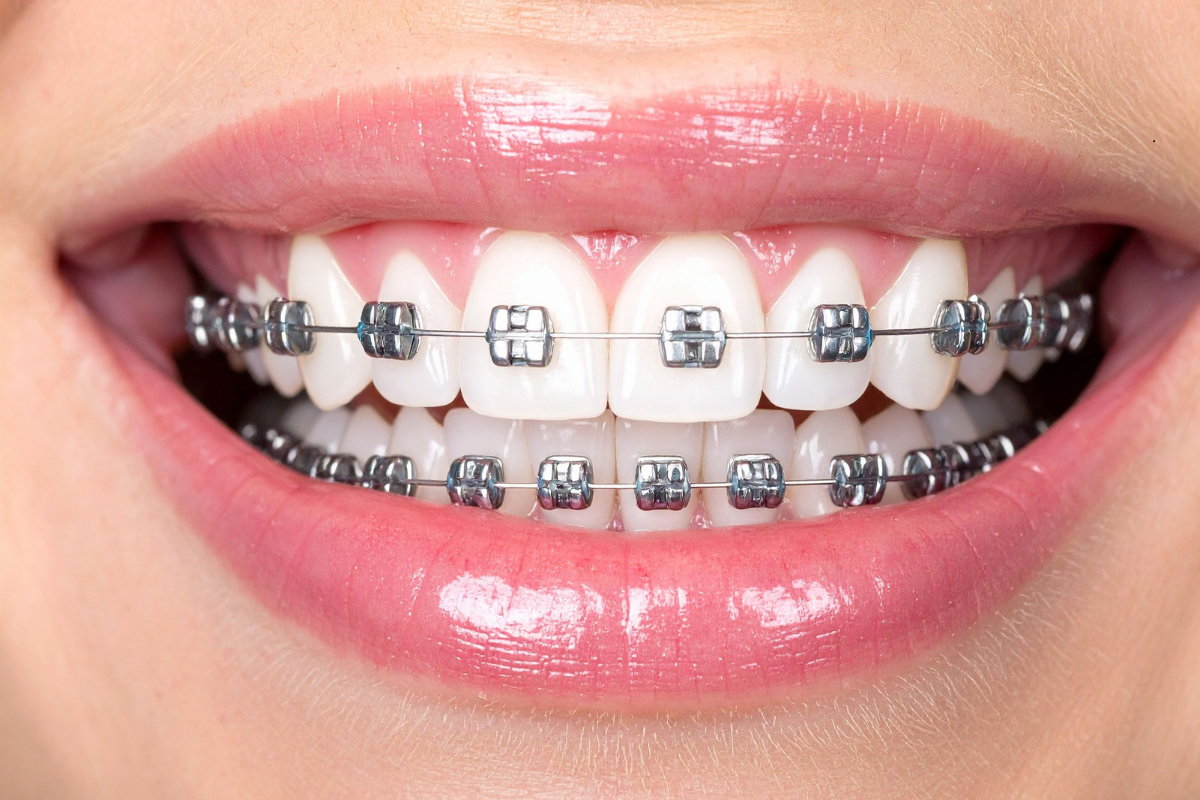
Wearing braces is one of the best ways to achieve a straight, healthy smile—but it also comes with a few lifestyle adjustments. One of the most common questions orthodontists hear is: “Can I chew gum with braces?”
The short answer: it depends. While chewing gum can have some benefits, it also carries risks if not done correctly. Let’s explore what you should know about gum, braces, and keeping your smile safe during treatment.
Why Chewing Gum Can Be Tricky with Braces
Chewing gum might seem harmless, but when you have braces, it can create some sticky problems:
- It can get stuck: Regular gum—especially sugary kinds—can easily wedge itself between brackets and wires, making it hard to remove.
- It can damage your braces: The constant pressure from chewing may bend wires or loosen brackets, potentially extending your treatment time.
- It can increase your cavity risk: Gum with sugar can feed bacteria, leading to plaque buildup, tooth decay, and gum irritation.
According to the American Association of Orthodontists (AAO), millions of Americans wear braces, and proper oral care—including what you chew—plays a major role in treatment success.
How to Chew Gum Safely with Braces
Good news—chewing gum isn’t always off-limits! When done correctly, it can even help with oral hygiene. Here’s how to do it the right way:
- Always choose sugar-free gum: Look for sugar-free gum approved by the American Dental Association (ADA). It helps protect against cavities and is less sticky than regular gum.
- Pick soft, gentle gum: Softer gum puts less strain on your braces and is easier to chew.
- Chew slowly and gently: Avoid vigorous chewing. Take your time to minimize pressure on your wires and brackets.
- Clean your mouth afterward: Brush and floss after chewing to remove any residue or particles.
- Stop if you feel discomfort: If your braces feel tight or you notice any pain, stop chewing immediately.
When to Avoid Gum Completely
There are times when chewing gum is not a good idea:
- In the early stages of treatment: When your wires are thin and your teeth are adjusting, chewing gum can cause unwanted strain.
- If you have loose brackets or wires: Gum can worsen the problem and make repairs more difficult.
- When you have jaw pain: If chewing causes discomfort, it’s best to wait until your orthodontist gives the go-ahead.
The Benefits of Chewing Gum (the Right Way)
When done safely, chewing gum can offer a few perks for your oral health and well-being:
- Boosts saliva flow: Sugar-free gum helps increase saliva, which washes away bacteria and neutralizes acids.
- Freshens breath: Gum is a convenient way to reduce bad breath, especially after meals.
- Improves concentration: Studies suggest that chewing gum may enhance focus and alertness—a small bonus during your day!
Check with Your Orthodontist First
Whether or not you should chew gum during treatment depends on your unique situation. Your Orthodontist in Brunswick & Jesup can evaluate your braces type, treatment stage, and overall dental health to make a personalized recommendation.
At Weaver Orthodontics, our team is committed to helping you achieve a confident, healthy smile while making your orthodontic journey as smooth as possible.
Final Thoughts
Chewing gum with braces doesn’t have to be a complete no-no—it’s all about making smart choices. Stick to sugar-free gum, chew gently, and always follow your orthodontist’s advice.
When in doubt, schedule a visit with Weaver Orthodontics to discuss what’s best for your treatment. With the right care and guidance, you’ll keep your braces—and your smile—in perfect shape!
**Disclaimer: This content should not be considered medical advice and does not imply a doctor-patient relationship.