A straighter smile can boost your confidence and improve your overall facial aesthetics. If you’re considering orthodontic treatment, understanding the different types of braces is the first step towards achieving your dream smile. An orthodontist can assess your individual needs and recommend the most suitable option for you. Let’s explore the most common types of braces and their unique features:
Metal Braces: The Tried-and-True Option
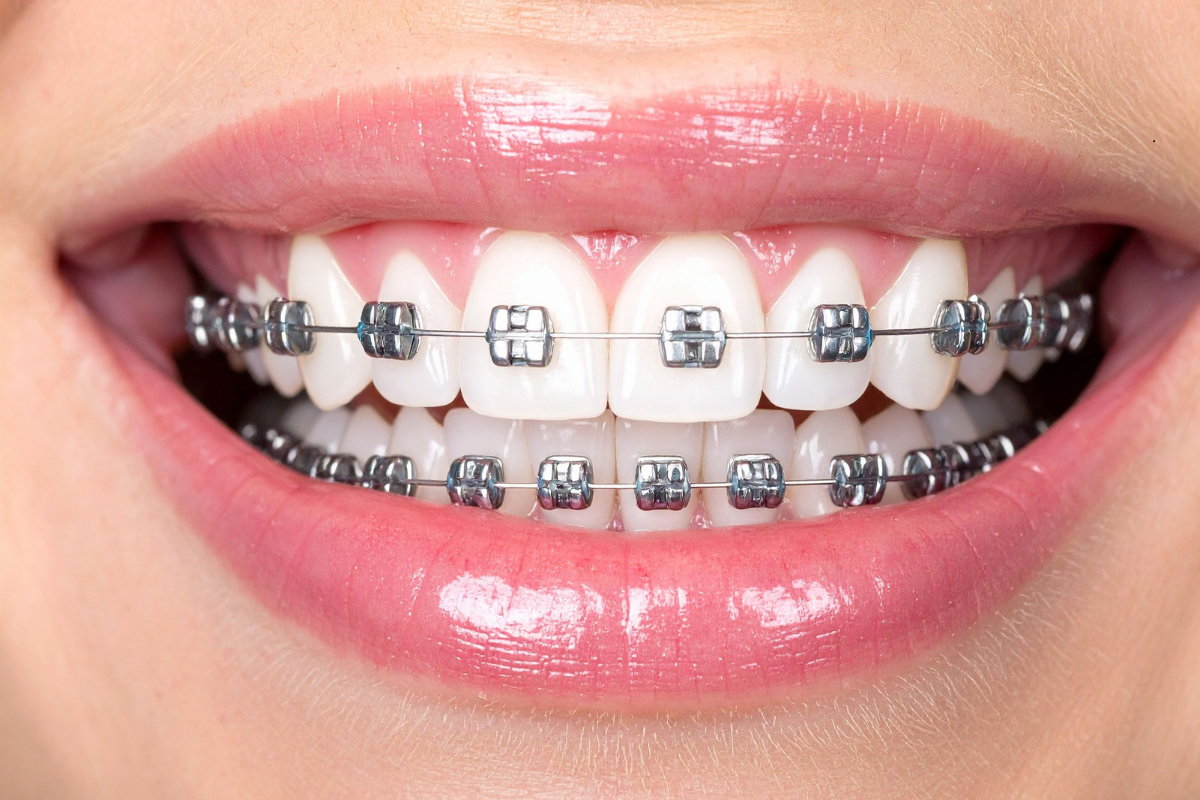
Traditional metal braces are the most recognizable type. They consist of metal brackets bonded to each tooth and connected by a thin metal wire. The orthodontist gradually tightens the wire over time, gently moving your teeth into their desired positions.
Advantages:
- Highly effective for a wide range of orthodontic issues
- Durable and long-lasting
Disadvantages:
- More visible than other options
- May cause some discomfort during adjustments
Ceramic Braces: A Discreet Choice
Ceramic braces function similarly to metal braces, but the brackets are made of tooth-colored ceramic material. This makes them less noticeable than traditional metal braces.
Advantages:
- More aesthetically pleasing than metal braces
- Effective for many orthodontic corrections
Disadvantages:
- May be more fragile than metal braces
- Can stain more easily
Clear Aligners (Invisalign): The Virtually Invisible Option
Invisalign is a clear aligner system that uses a series of removable, custom-made plastic trays to gradually move your teeth. The trays are nearly invisible when worn, making them a popular choice for adults and teenagers who desire a discreet treatment option.
Advantages:
- Virtually invisible
- Removable for eating and cleaning teeth
- Comfortable to wear
Disadvantages:
- May not be suitable for all orthodontic cases
- Requires discipline to wear the aligners for the prescribed time
Lingual Braces: Hidden Behind the Smile
Lingual braces are similar to metal braces, but the brackets are positioned behind the teeth on the tongue side. This makes them completely invisible from the front.
Advantages:
- Completely hidden from view
Disadvantages:
- May require an adjustment period as the tongue gets accustomed to the braces
- Can be more difficult to clean and maintain
- May affect speech slightly
Finding Your Perfect Match: Consult an Orthodontist
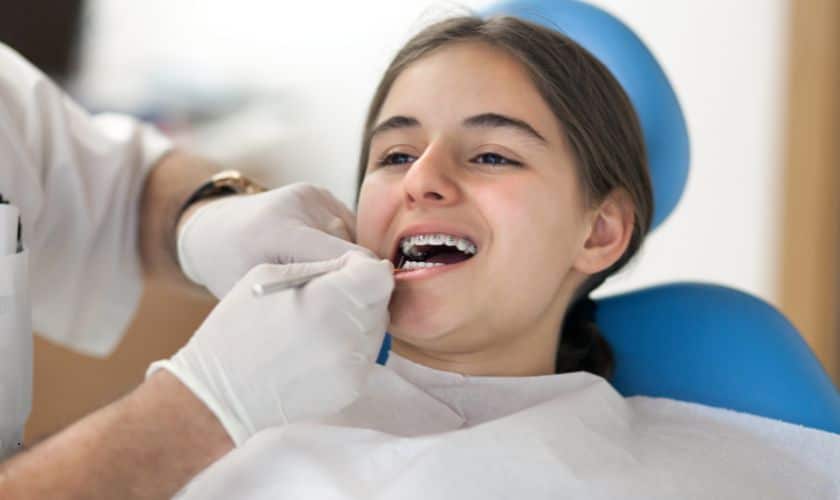
The best type of braces for you depends on your individual needs, preferences, and lifestyle. An orthodontist possesses the expertise to evaluate your teeth, jaw structure, and desired outcome. They will discuss the different types of braces available, answer your questions, and recommend the most appropriate option for achieving your dream smile.
Schedule a consultation with an orthodontist today to embark on your journey towards a straighter, more confident smile!