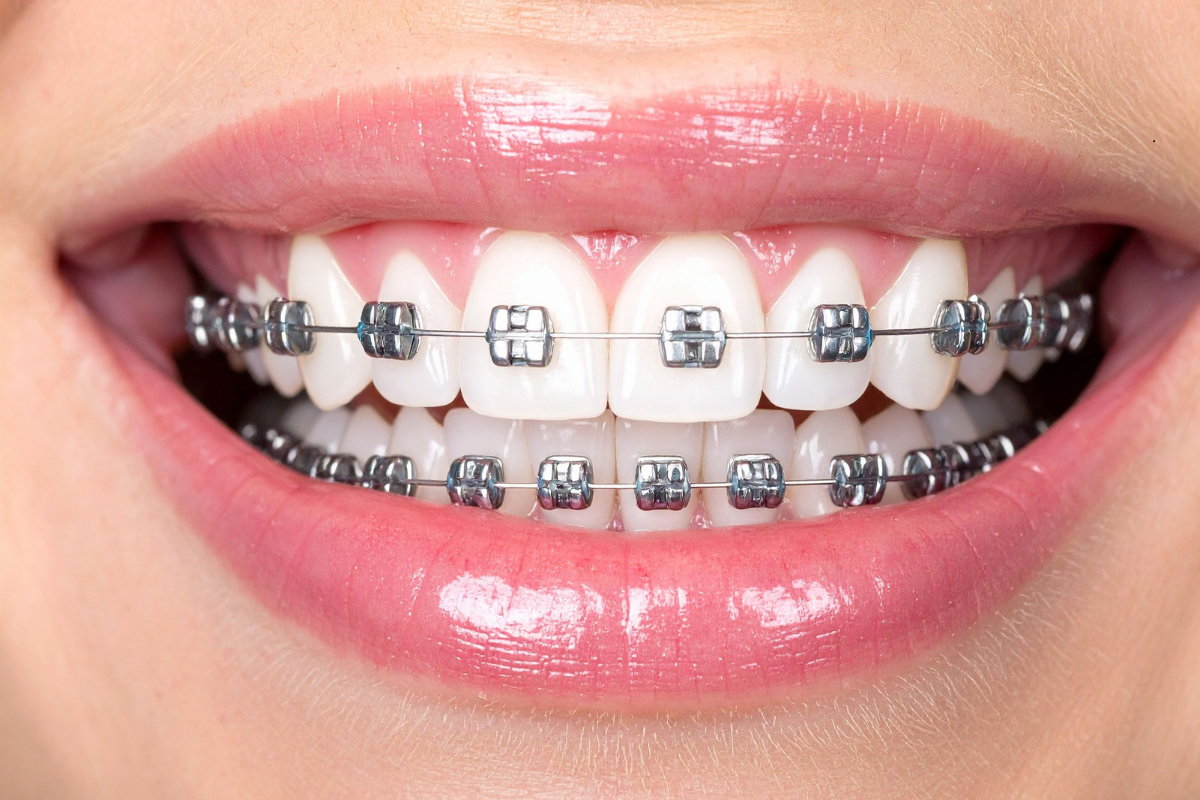
Braces are a great way to improve your smile and straighten your teeth, but it comes with a few extra challenges when it comes to oral hygiene. One of the most difficult tasks for braces wearers is flossing; this can seem almost impossible at first! Fortunately, there are some tried and tested techniques that you can use to make sure your teeth stay healthy and clean while wearing braces. In this blog post, we will be providing a step-by-step guide on how to floss with braces, so that you can keep your smile looking its best. Read on to learn more!
What Is Flossing & Why Is It Important?
Flossing is an important part of oral hygiene, and it’s especially important when you have braces. Braces can make it difficult to brush your teeth properly, so flossing is a good way to remove plaque and food particles from areas that your toothbrush can’t reach.
There are a few different ways to floss with braces. You can use regular floss, or you can buy special flossers that are designed for people with braces. Whichever method you choose, be sure to be gentle so you don’t damage your gums or loosen your brackets.
Here’s a step-by-step guide to flossing with braces:
- Start by tying a piece of floss around your middle finger.Leave about 18 inches of floss so you have enough to work with.
- Use your index finger to guide the floss under your wire and between two teeth.
- Gently move the floss up and down against each tooth, being careful not to snap the floss against your gums.
- When you’re done with one tooth, use the index finger of your other hand to guide the floss out from under the wire. Then wind the used floss around that same finger before moving on to the next tooth.
How to Floss With Braces
If you have braces, you know that flossing can be a bit more challenging than it is for people without braces. But flossing with braces is still important in order to keep your teeth and gums healthy. Here is a step-by-step guide to help you floss with braces:
- Start by threading the floss under the wire of your braces.
- Gently guide the floss up and down between each tooth.
- Be sure to get all the way around each tooth, including the back molars.
- When you’re finished, simply pull the floss out from under the wire of your braces.
The Different Types of Floss
There are many different types of floss available on the market, and it can be difficult to know which one is best for you. Here is a quick guide to the different types of floss:
- Nylon floss: This is the most common type of floss and is made from nylon filaments. It is available in both waxed and unwaxed varieties.
- PTFE floss: This type of floss is made from polytetrafluoroethylene, which is a synthetic polymer. It is more expensive than nylon floss but does not shred as easily.
- Silk floss: Silk floss is made from, you guessed it, silk! It is very strong and does not shred easily, but it can be more difficult to use than other types of floss.
Now that you know a little bit about the different types of floss available, you can make an informed decision about which one is right for you. Be sure to ask your orthodontist or dental professional for their recommendation before making a purchase.
How Often Should You Floss With Braces?
It’s important to floss daily when you have braces, in order to remove plaque and food particles from around the brackets and wires. While it may take some time to get used to flossing with braces, it’s worth the effort to keep your teeth and gums healthy.
Here is a step-by-step guide to flossing with braces:
- Start with 18 inches of floss, and wind most of it around the middle finger of one hand.
- Hold the floss tightly between your thumb and index finger of the other hand.
- Gently slide the floss under the archwire, and then up into the space between the gum and tooth.
- Use a back-and-forth motion to clean the tooth surface. Be careful not to snap the floss against the gums.
- When you reach the contact point (where the wire meets the tooth), curve the floss into a C shape and gently slide it under the wire.
- Repeat this process on all of your teeth before moving on to rinsing your mouth with water or mouthwash.
Conclusion
Flossing with braces can be a tricky task, but it is an important part of keeping your teeth healthy and clean. With this step-by-step guide to flossing with braces, you can now feel confident that you are taking the necessary steps to maintain great oral hygiene. Remember to take your time and be gentle when flossing around brackets or wires; if done correctly, you should have no problem flossing effectively with braces on. Good luck!
FAQS
- Can I still floss with braces?
Yes! Flossing with braces is still possible and is actually very important in order to keep your teeth healthy and clean. There are a few different ways that you can floss with braces, so be sure to ask your orthodontist or dental hygienist for the best method for you.
- How often should I floss?
It is important to floss at least once a day, and more if possible. If you are having trouble getting the floss through your braces, try using a water flosser or an interdental brush.
- What type of floss should I use?
There are many different types of floss available, so ask your orthodontist or dental hygienist for a recommendation. Be sure to avoid any type of waxed floss as it can easily get stuck in your braces.