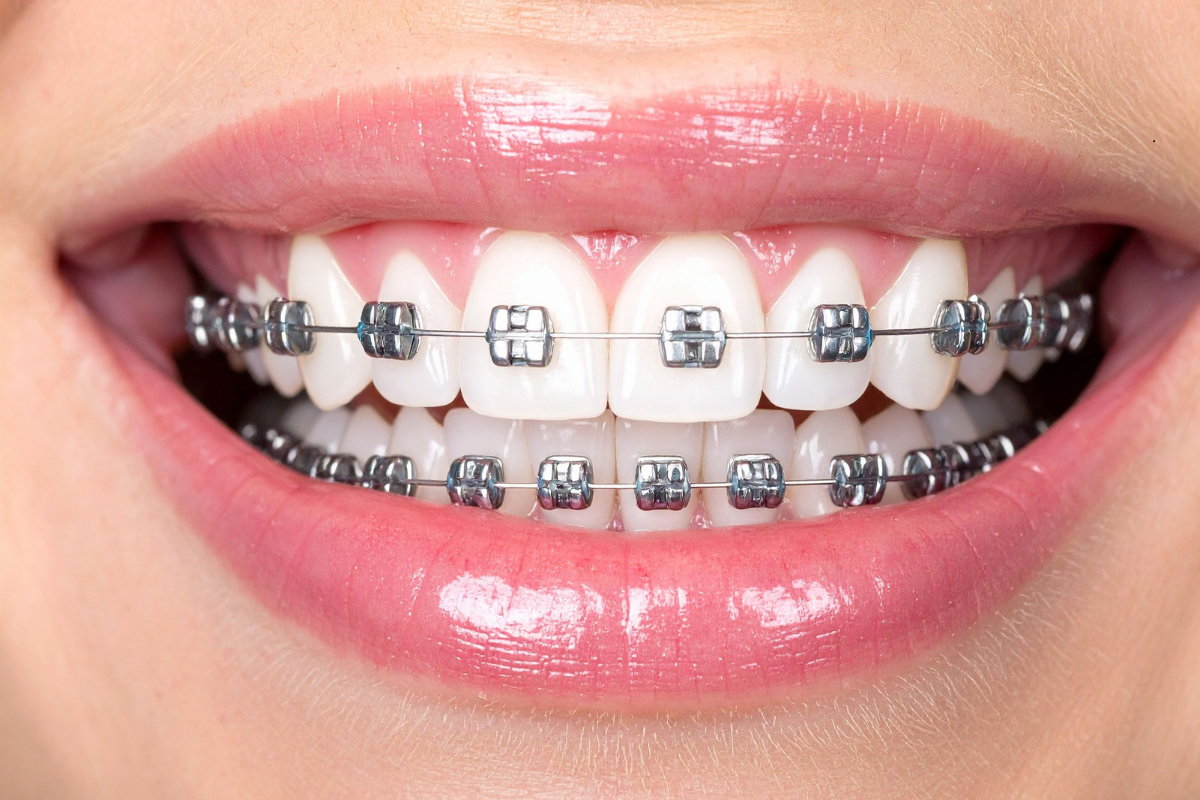
A beautiful, confident smile is one of the best rewards after orthodontic treatment—but keeping that smile healthy takes some extra care along the way. Braces and retainers can trap food particles and bacteria, making you more prone to cavities, gum issues, and bad breath. With the right oral hygiene routine, you can keep your teeth sparkling clean and your treatment on track.
Here’s a helpful guide from your trusted orthodontic team on maintaining excellent oral health while wearing braces or a retainer.
Brushing Basics for Braces and Retainers
Brushing is more important than ever during orthodontic treatment. According to the American Association of Orthodontists, consistent and proper brushing helps prevent cavities, stains, and gum inflammation while ensuring a fresh smile.
Follow these brushing tips for the best results:
Brush after every meal: Braces can easily trap food around brackets and wires. Brushing after each meal helps prevent plaque buildup and keeps your teeth fresh and clean.
Use a soft-bristled toothbrush: Choose a brush designed for braces to gently clean around wires and brackets without damaging your gums or enamel.
Angle your brush correctly: Hold the brush at a 45-degree angle toward your gumline and use gentle circular motions to clean every surface.
Brush for two full minutes: Take your time—make sure you brush for at least two minutes to reach every area thoroughly.
Don’t forget your tongue: Bacteria can accumulate on your tongue, so make it part of your daily cleaning routine.
Flossing Tips with Braces and Retainers
Flossing is key to removing trapped food particles that your toothbrush can’t reach. Although it takes more effort with braces, it’s absolutely worth it for healthy gums and clean teeth.
Try these techniques:
Use a floss threader: This handy tool helps guide floss under wires so you can clean between your teeth effectively.
Try interdental brushes: Small brushes designed for cleaning between teeth can make the process quicker and easier. Ask your orthodontist for the right size and type.
Floss daily: Make it a nightly habit to remove food debris and plaque before going to bed.
Taking Care of Your Braces
Proper care keeps your braces working efficiently and reduces the risk of damage.
Avoid hard or sticky foods: Stay away from nuts, popcorn, caramel, and chewy candy—they can bend wires or break brackets.
Cut food into smaller pieces: If you’re eating something crunchy, cut it into bite-sized portions to prevent damage.
Limit sugary drinks: Sodas and sweet juices can increase the risk of tooth decay.
Clean regularly: Your orthodontist may recommend using a special cleaning solution or interdental brush to keep your braces spotless.
If you’re undergoing Braces in Brunswick & Jesup, the team at Weaver Orthodontics can guide you through customized care techniques to protect your smile during treatment.
Caring for Your Retainer
Once your braces are removed, your retainer keeps your teeth in their new, aligned position. Keeping it clean is just as important as brushing your teeth.
Clean your retainer daily: Use a soft-bristled toothbrush and cool water. Avoid toothpaste—it can scratch the surface.
Soak occasionally: Use a gentle cleaning solution designed for retainers, as recommended by your orthodontist.
Store properly: Always keep your retainer in its case when not in use to prevent damage or loss.
Never wrap it in a napkin: It’s a common mistake that leads to retainers getting accidentally thrown away.
The Bottom Line
Consistent and thorough oral care is the key to keeping your teeth healthy and your smile bright during orthodontic treatment. Whether you’re wearing braces or a retainer, proper cleaning and regular checkups will ensure your journey to a perfect smile stays smooth and successful.
If you’re starting your orthodontic journey or need expert advice on Braces in Brunswick & Jesup, schedule a consultation with Weaver Orthodontics. Their dedicated team will help you achieve—and maintain—a beautiful, confident smile that lasts a lifetime.
**Disclaimer: This content should not be considered medical advice and does not imply a doctor-patient relationship.