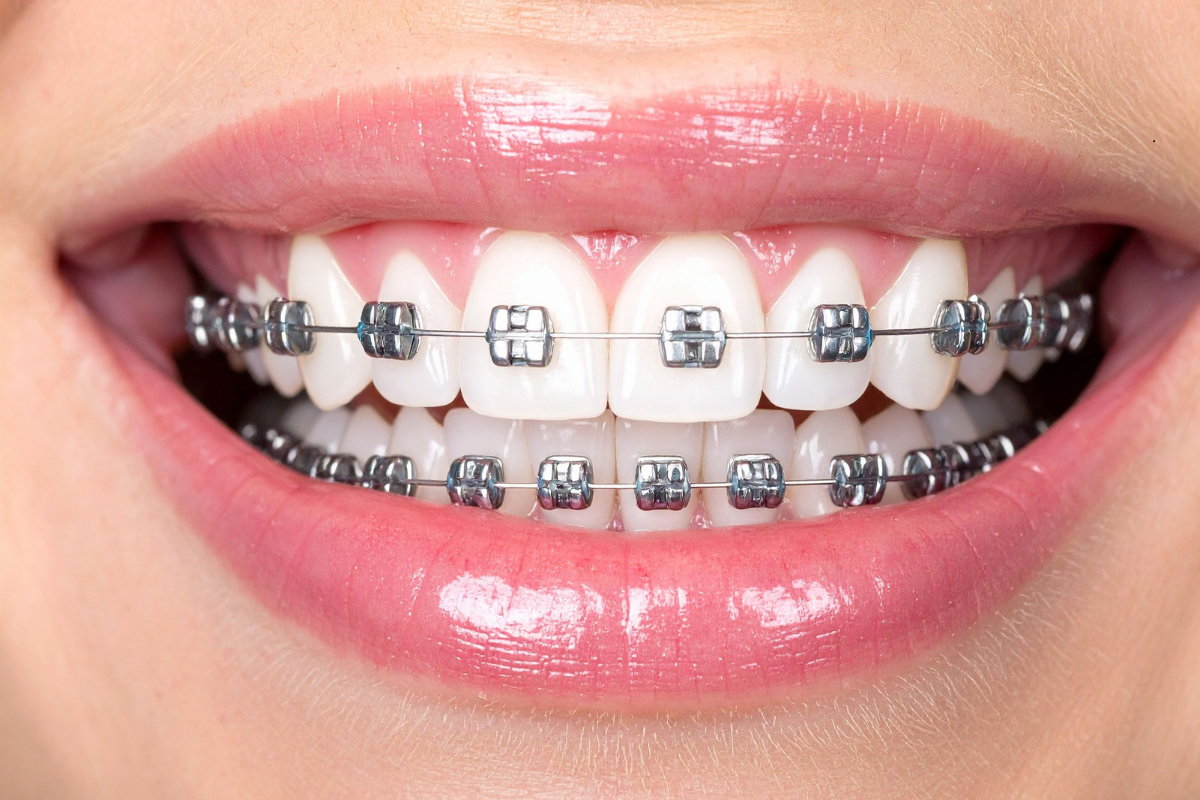
Getting braces is a big step toward a healthier, straighter smile. While the end result is rewarding, the first few weeks with braces can be uncomfortable and challenging. Many people experience soreness, difficulty eating, and changes in their oral hygiene routine. If you are struggling with new braces, don’t worry—it gets easier with time. To help you adjust quickly, here are three simple yet effective tips to make your transition smoother.
1. Manage Discomfort Effectively
One of the biggest concerns for anyone with new braces is discomfort. It is completely normal to feel some soreness, especially after the initial fitting or an adjustment. Your teeth are shifting into their new positions, which can cause temporary pain. Here’s how you can manage it:
Use Orthodontic Wax
Brackets and wires may rub against the inside of your mouth, causing irritation. Orthodontic wax creates a smooth barrier between your braces and your gums or cheeks. Simply apply a small piece of wax over any area that feels sharp or uncomfortable.
Take Over-the-Counter Pain Relievers
If you experience soreness, taking a mild pain reliever like ibuprofen or acetaminophen can help. Be sure to follow the recommended dosage and consult your orthodontist if the pain persists.
Eat Soft Foods
Hard and crunchy foods can make the discomfort worse. Stick to soft foods like mashed potatoes, yogurt, scrambled eggs, and smoothies during the first few days. As you get used to your braces, you can gradually introduce more solid foods into your diet.
Rinse With Warm Salt Water
A simple saltwater rinse can help reduce soreness and prevent irritation. Mix half a teaspoon of salt in a cup of warm water and rinse your mouth for about 30 seconds. This can soothe sore spots and keep your mouth clean.
2. Adjust Your Eating Habits
Eating with braces is a learning process. Certain foods can get stuck in your braces or even damage them, leading to unnecessary trips to the orthodontist. Here are some food tips to make eating easier:
Avoid Sticky and Hard Foods
Foods like caramel, chewing gum, and hard candies can get stuck in your braces or cause brackets to break. Instead, opt for braces-friendly foods such as cooked vegetables, soft fruits, and pasta.
Cut Food Into Smaller Pieces
Instead of biting directly into foods like apples or sandwiches, cut them into smaller pieces. This reduces the pressure on your braces and makes chewing more manageable.
Drink Plenty of Water
Water helps wash away food particles that may get stuck in your braces. Staying hydrated also keeps your mouth clean and reduces the risk of plaque buildup.
3. Keep Up With Proper Oral Hygiene
Brushing and flossing with braces requires extra effort, but maintaining good oral hygiene is essential. Plaque can build up quickly around brackets and wires, leading to cavities and gum problems. Follow these tips for a clean and healthy smile:
Brush After Every Meal
Food can easily get trapped in your braces, so brushing after every meal is ideal. Use a soft-bristled toothbrush and fluoride toothpaste. Brush gently in circular motions to clean around the brackets and wires.
Use an Orthodontic Toothbrush or Electric Toothbrush
An orthodontic toothbrush has specially designed bristles to clean around braces more effectively. An electric toothbrush can also help remove plaque and food particles more efficiently.
Don’t Skip Flossing
Flossing with braces may seem tricky, but it is necessary to prevent plaque buildup. Use a floss threader or orthodontic floss to reach between your teeth and around your braces. You can also try an interdental brush or a water flosser for added convenience.
Rinse With Mouthwash
Using a fluoride mouthwash helps strengthen your teeth and protect against cavities. Swish for about 30 seconds to reach areas that brushing and flossing might miss.
Final Thoughts
Adjusting to new braces takes time, but following these tips will make the process much easier. Managing discomfort, modifying your eating habits, and maintaining proper oral hygiene will help you adapt quickly. If you have concerns about your braces or experience any issues, don’t hesitate to reach out to your orthodontist for guidance. Whether you’re getting braces for the first time or looking for ways to improve your experience, these simple steps will help you feel more comfortable on your journey to a perfect smile.
If you are considering braces in Brunswick, professionals can guide you through every step, ensuring a smooth and comfortable experience. With patience and the right care routine, you’ll soon find that having braces is not as challenging as it may seem. Stay consistent, and before you know it, you’ll be enjoying the benefits of a beautifully aligned smile!