There is a particular kind of parental instinct that kicks in when something about your child’s development feels slightly off: teeth coming in at an angle, a jaw that seems a little asymmetric, baby teeth that are taking too long to fall out. For many families, the impulse is to wait and see whether things sort themselves out. Sometimes they do. But there is a specific window of development during which a trained eye can catch patterns that, if identified early, are dramatically easier to correct than when addressed later.
The American Association of Orthodontists recommends that every child receive their first orthodontic evaluation by age 7. This recommendation is not about starting treatment at 7; most children who are screened at this age will simply be monitored until the right time. It is about identifying the cases where early action genuinely changes outcomes. For families across Brunswick and Wayne County seeking early orthodontic treatment in Brunswick, Dr. John K. Weaver at Weaver Orthodontics provides thorough evaluations that give parents clear answers rather than vague reassurances.
Why Age 7 Is the Right Window
At around age 7, a child typically has a mix of primary and permanent teeth — enough permanent teeth are present for Dr. Weaver to identify emerging bite patterns, jaw development trends, and spacing issues that would be invisible at a younger age, but early enough that the jaw is still growing and highly responsive to guidance.
The jaw and facial bones are among the most adaptable structures in the developing body. Interventions that redirect growth at age 7 or 8, palate expanders, space maintainers, and selective guidance appliances work with the body’s natural development rather than against it. Attempting the same corrections at 14 or 16, when growth has slowed significantly, often requires more invasive approaches and longer treatment times.
What an Early Evaluation Actually Looks For
- Crossbite: When upper teeth sit inside the lower teeth on one or both sides, it creates uneven jaw growth that worsens over time. Early correction with a palate expander is highly effective and typically avoids the need for surgical correction later.
- Underbite: A lower jaw that extends beyond the upper is much easier to modify while the jaw is still growing. Waiting until growth is complete often necessitates jaw surgery to achieve the same result.
- Severe crowding: When there is clearly insufficient room for permanent teeth to erupt correctly, early intervention can create space by guiding jaw development — reducing or eliminating the need for extractions later.
- Prolonged oral habits: Thumb sucking or pacifier use past age 4 or 5 can alter jaw shape and bite patterns. Early evaluation allows these effects to be assessed and, if necessary, addressed before they become permanent.
- Asymmetric jaw development: Differences in the rate of growth between the left and right sides of the jaw can be caught early and redirected more easily during active growth phases.
- Early or late loss of baby teeth: Losing baby teeth too soon can cause neighboring teeth to drift into the space meant for the permanent tooth. Space maintainers prevent this problem entirely when applied at the right time.
What Happens If Nothing Is Found
The most common outcome of an age-7 evaluation is a simple monitoring plan. Dr. Weaver checks in periodically — typically every six to twelve months — to track development and identify the optimal time for treatment if it becomes necessary. For Brunswick families, this means peace of mind and a clear plan, not a rushed commitment to treatment that may not yet be needed.
Brunswick Families: What to Expect at a Weaver Orthodontics Screening
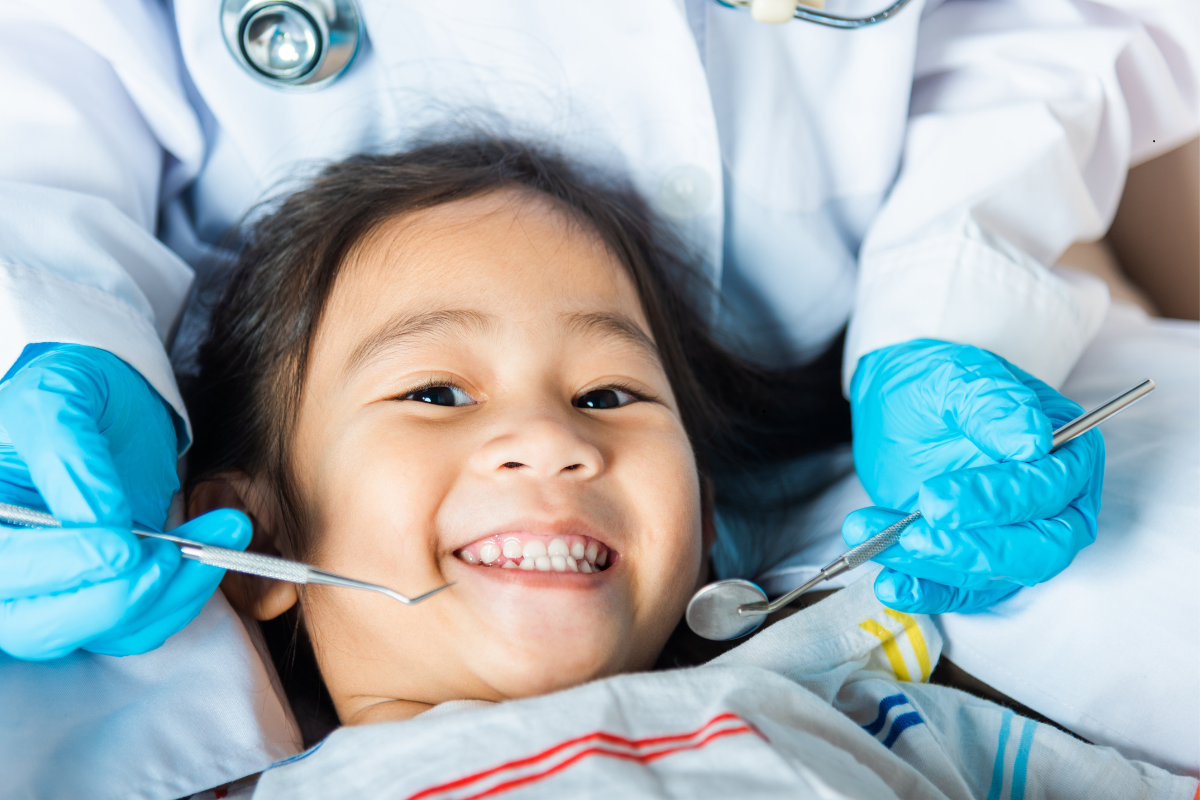
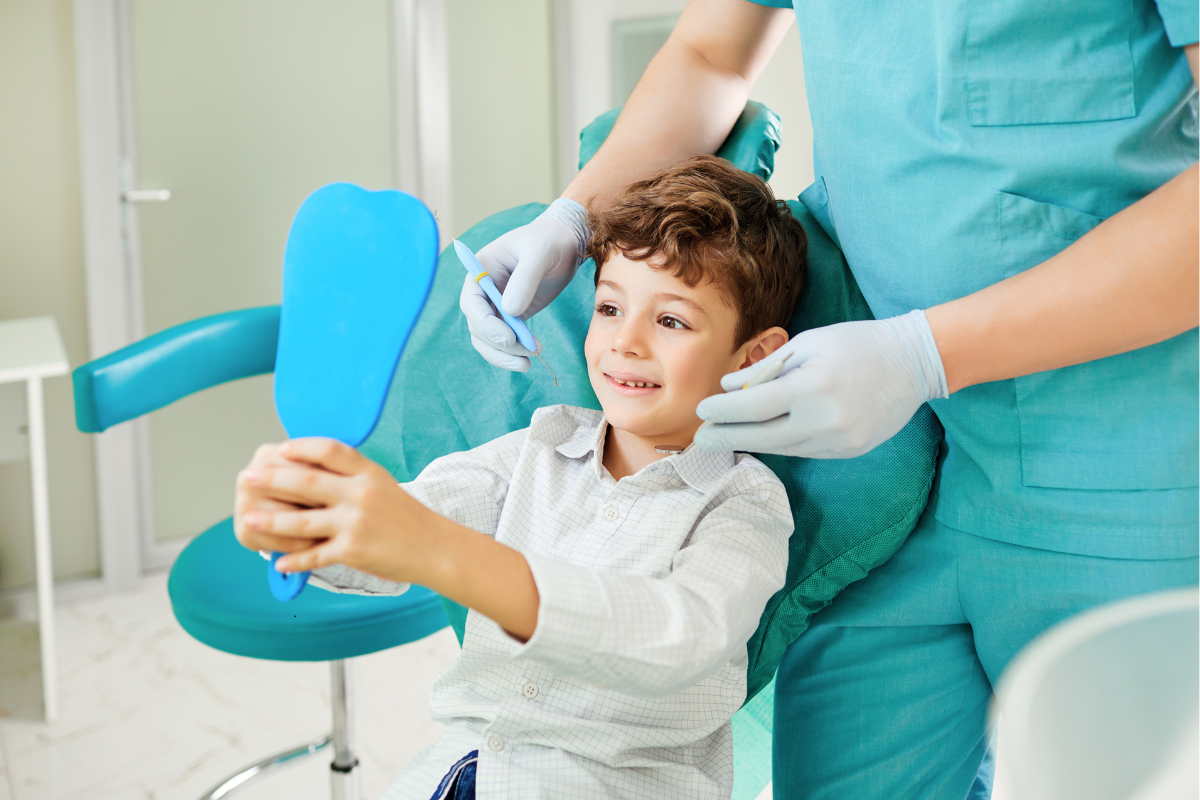
A first evaluation at Weaver Orthodontics is relaxed and comprehensive. Dr. Weaver examines the teeth, bite, and jaw development, reviews any relevant X-rays, and speaks directly and clearly with parents about findings. There is no pressure to start treatment — just honest information and a recommendation tailored to the child in front of him. For the active, family-oriented community here in Brunswick — where kids are involved in everything from Golden Isles sports leagues to school activities at Glynn Academy — that kind of straightforward guidance is something parents genuinely value.
Frequently Asked Questions
Q: If my child is already past age 7, have we missed the window?
A: Not at all. While 7 is the recommended starting point, evaluations are valuable at any age. Children between 9 and 14 still have significant growth remaining, and even older teens can benefit from a thorough assessment. The earlier the better, but later is still meaningful.
Q: Does my child’s regular dentist already handle this?
A: General dentists are trained to spot obvious concerns, but an orthodontic specialist brings three additional years of focused training in growth patterns, bite mechanics, and developmental timing. Seeing Dr. Weaver directly gives families a more detailed picture.
Q: Is early treatment always two phases?
A: Not necessarily. Some children who receive Phase 1 treatment do not need Phase 2 at all, or need only a brief Phase 2 alignment. Others skip Phase 1 entirely and begin full treatment at the appropriate time. Dr. Weaver recommends only what is genuinely needed.
Q: What does an early evaluation cost?
A: Initial consultations at Weaver Orthodontics are complimentary. There is no cost to find out where your child stands developmentally.
Give Your Child’s Smile the Best Possible Start
The best time for your child’s first orthodontic evaluation is now, regardless of whether they are exactly 7 or a little older. Dr. John K. Weaver and the team at Weaver Orthodontics serve Brunswick families with expert, unhurried care at every stage of development. Schedule your child’s complimentary consultation at Weaver Orthodontics today.
**Disclaimer: This content should not be considered medical advice and does not imply a doctor-patient relationship.