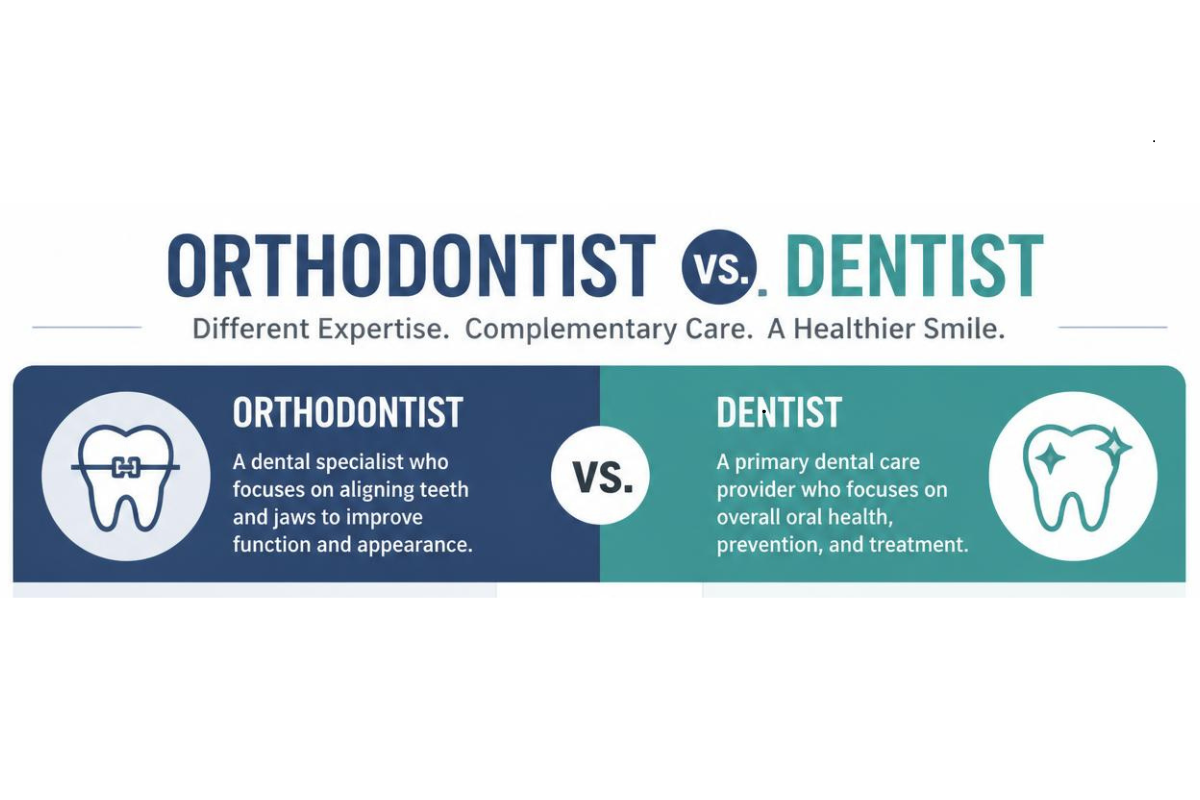
Nobody looks forward to two years in braces. Between school pickups, weekend trips down to the Altamaha River, and every birthday party in between, most families in our community would rather spend that time enjoying life than counting down the months until a bracket comes off. That’s exactly why “accelerated orthodontics” has become one of the most searched dental topics in the country this year, and why so many patients are asking their orthodontist in Jesup whether a small mouthpiece can really shave months off treatment.
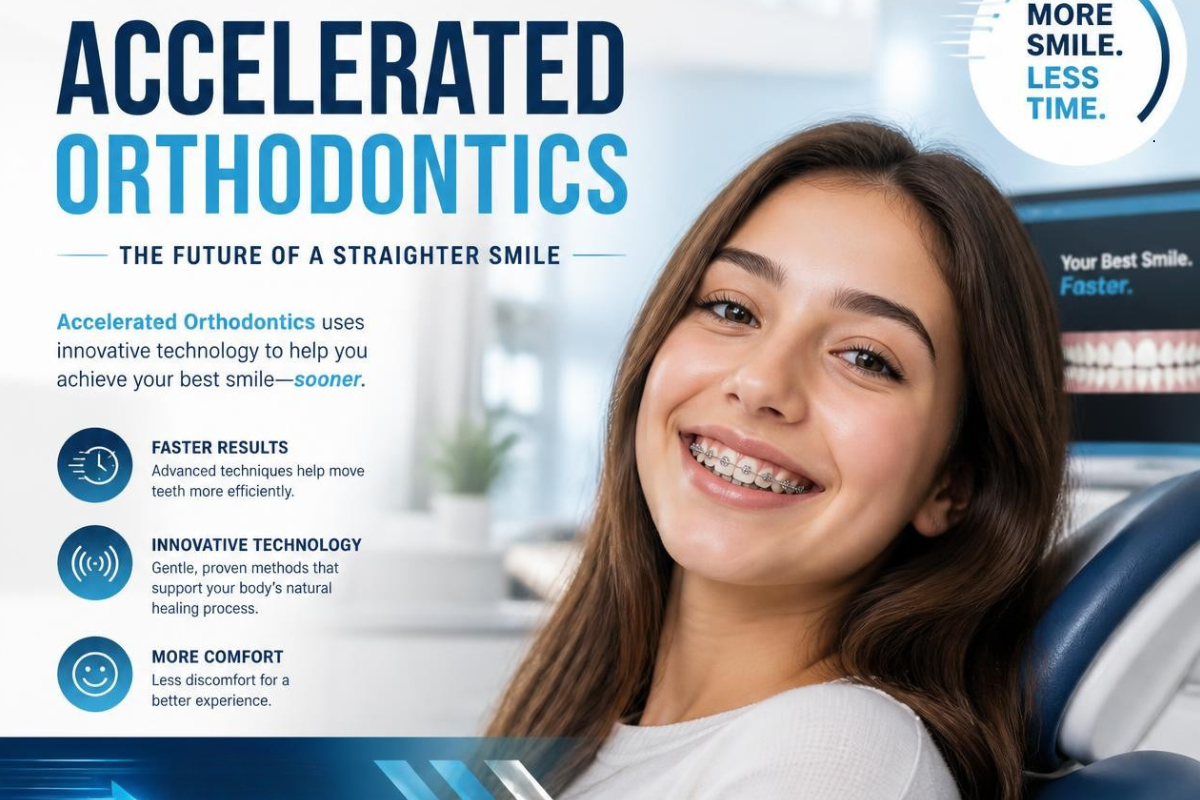
The short answer is yes, in many cases it can. Two technologies are driving this shift: gentle vibration devices and low-level light therapy. Both work with your braces or aligners, not instead of them, and both are backed by published clinical research rather than marketing hype.
Here at Weaver Orthodontics – Jesup, Dr. John K. Weaver has spent years studying how these tools fit into a modern, individualized treatment plan, and this guide breaks down exactly how they work, what the research actually shows, and how to know if you’re a candidate. If you’d like to see where you stand, visit our dental office for a one-on-one evaluation before your next appointment.
What Is a Vibration Device in Orthodontic Treatment?
A vibration device is a small, hands-free appliance that delivers gentle, rhythmic micro-pulses to your teeth for about 20 minutes a day, encouraging the surrounding bone to remodel faster and more predictably. It’s worn like a mouthguard over your existing braces or aligners rather than replacing them.
The science behind this rests on a concept called bone remodeling. Every time your orthodontist adjusts your wire, or you switch to a new aligner, cells called osteoclasts and osteoblasts activate around the tooth root to break down and rebuild bone, allowing the tooth to shift into its new position. Vibration devices, such as AcceleDent Optima, use patented SoftPulse micropulse technology to stimulate that same cellular activity with forces far gentler than ordinary chewing. The result, according to published clinical studies, is tooth movement that can be accelerated by up to 50 percent without sacrificing the precision of the final result. Many patients find that changing aligners every five to seven days, instead of the traditional two weeks, becomes realistic once this cellular activity is dialed up.
How Does Light Therapy Support Faster Tooth Movement?
Low-level light therapy, also called photobiomodulation, uses near-infrared LED light aimed at the gum tissue to stimulate the same bone-remodeling cells that vibration devices target, just through a different mechanical pathway. Sessions typically last five to ten minutes and are also used alongside existing braces or aligners.
Where vibration relies on mechanical micro-pulses, light therapy relies on photon energy. Near-infrared wavelengths penetrate the gum and reach the periodontal ligament, where research shows they increase cellular metabolism and encourage faster bone turnover around the tooth root. Peer-reviewed studies on photobiomodulation devices have reported faster alignment of crowded front teeth, along with a notable drop in the discomfort patients typically feel after an adjustment. It’s a different route to a similar biological destination: healthier, faster-responding bone tissue around the tooth.
Vibration vs. Light Therapy: How Do They Compare?
Both technologies share the same underlying goal, accelerating bone remodeling, but they get there differently. Here’s a quick side-by-side look:
- Mechanism: Vibration uses mechanical micro-pulses; light therapy uses near-infrared photon energy.
- Daily use: Vibration devices are typically used around 20 minutes a day; light therapy devices are often used in shorter five-to-ten-minute sessions.
- Research base: Both are supported by peer-reviewed clinical studies, though the number and size of vibration studies is currently larger.
- Compatibility: Both work alongside braces and clear aligners without replacing them.
- Comfort reports: Patients using either technology commonly report reduced soreness after adjustments, in addition to faster tooth movement.
Rather than choosing between them in isolation, the right technology depends on your bite, your treatment plan, and how your specific bone responds to movement — which is why an in-person evaluation matters more than a product comparison chart.
Is Accelerated Orthodontics Right for Everyone?
Not automatically; accelerated orthodontic technology is most effective when it’s layered onto a treatment plan built around your unique bite, jaw structure, and the type of tooth movement you need. A crowded front tooth and a rotated molar don’t respond identically to the same stimulus, so results vary from patient to patient.
This is precisely why national research keeps circling back to one theme: time is one of the biggest reported barriers to adults starting orthodontic treatment in the first place. A study hosted through the National Institutes of Health’s research library found that concerns about treatment duration, alongside cost and appearance during treatment, remain among the top reasons adults hesitate even as interest in straightening their teeth continues to rise.
Technologies that meaningfully shorten treatment time are directly addressing the single biggest hesitation adult patients report. That’s a big part of why an orthodontist in Jesup evaluating a working adult’s schedule, or a teenager juggling school and sports, will often bring these tools into the conversation early.
Why This Matters for an Active Community
Life here doesn’t slow down for a two-year treatment plan. Between Dogwood Festival season each spring, catfishing trips on the Altamaha River, and family movie nights at the Jesup Drive-In, most patients would rather spend their evenings living life than sitting in a dental chair. Conveniently, these devices are designed to fit in easily. You can use a vibration device or light therapy quietly during a drive-in movie or while relaxing after water activities, without needing an extra trip to the office.
That’s also why choosing a local, proficient orthodontist in Jesup matters more than choosing a device off a shelf. Any accelerated orthodontic tool is only as effective as the treatment plan behind it, and that plan depends on the professional who understands your bite mechanics, monitors your progress in person, and adjusts your care as your teeth respond.
Frequently Asked Questions
1. Does AcceleDent actually speed up orthodontic treatment?
Published clinical research shows AcceleDent can accelerate tooth movement by up to 50 percent when used consistently. Results vary by patient, which is why individualized monitoring matters.
2. Is using a vibration device painful?
No, AcceleDent’s micro-pulses are far gentler than everyday chewing forces. Most patients report less soreness after adjustments, not more.
3. How long do I need to wear a vibration device each day?
Most vibration devices are used for about 20 minutes daily during routine activities like reading or watching TV. Consistency matters more than the specific time of day.
4. Is light therapy the same as vibration therapy?
No, they use different mechanisms; light therapy uses near-infrared LEDs, while vibration uses mechanical micro-pulses. Both are designed to stimulate the same bone-remodeling process.
5. Can adults use accelerated orthodontic technology?
Yes, adults are strong candidates and often benefit the most from shorter treatment timelines. Bone density and healing rates are evaluated individually before recommending any device.
6. Do these devices replace braces or aligners?
No, vibration and light therapy devices are used alongside existing braces or aligners, never as a replacement. They support the movement your orthodontist has already planned.
7. How do I know if I’m a good candidate for accelerated orthodontics?
Candidacy depends on your bite, the type of movement needed, and your treatment goals. A personalized diagnostic evaluation is the only reliable way to determine fit.
Ready to Find Out if You’re a Candidate?
Every mouth moves differently, and the only way to know whether vibration devices or light therapy fit your specific treatment plan is a personalized, in-person diagnostic evaluation. Dr. John K. Weaver and the team at Weaver Orthodontics – Jesup can walk you through your options, review your bite, and build a plan designed around your anatomy, not a generic timeline. Book an Appointment today and take the first step toward a faster, more comfortable path to your finished smile.
**Disclaimer: This content should not be considered medical advice and does not imply a doctor-patient relationship.