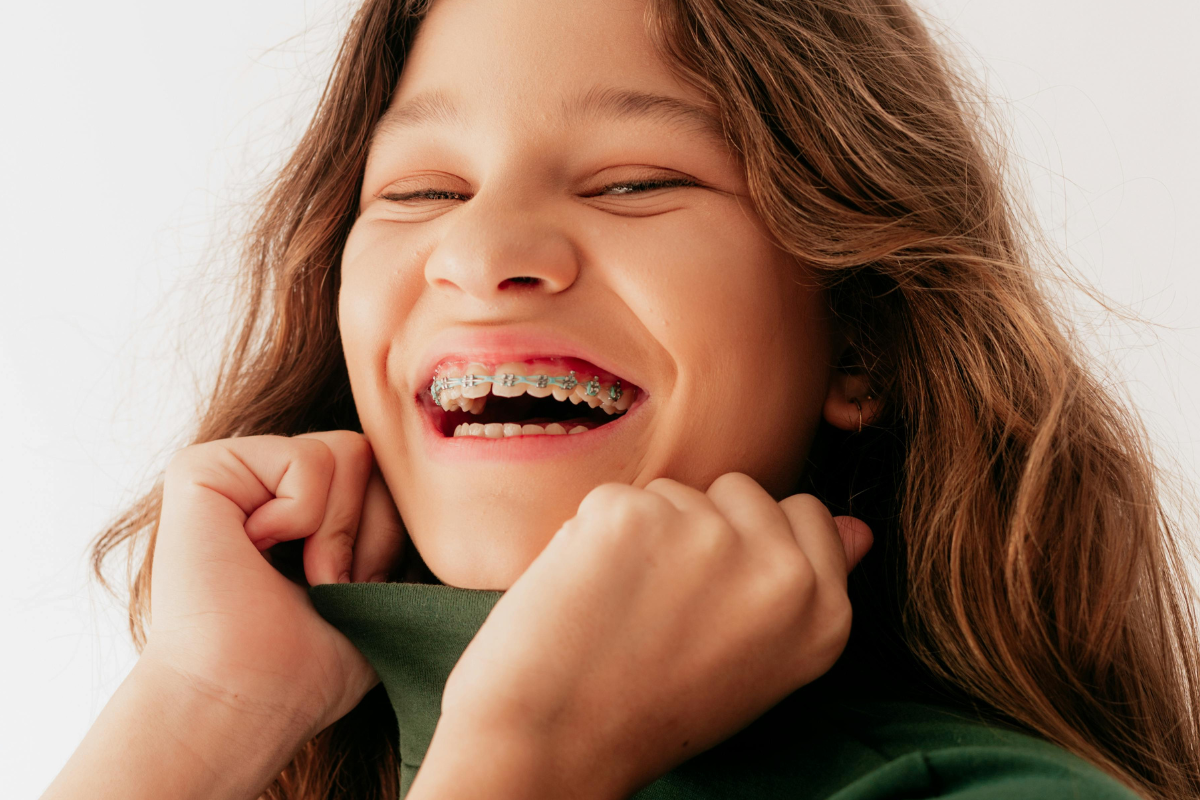
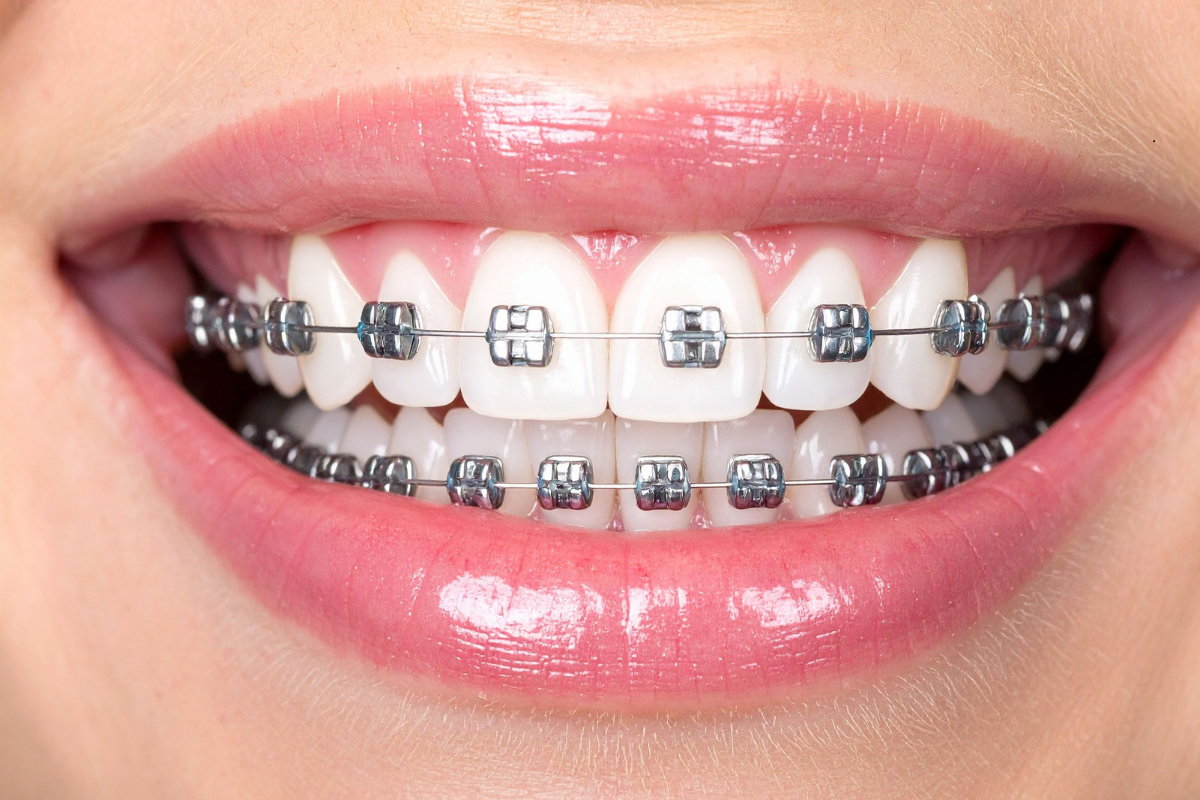
Getting your braces removed is a milestone moment, marking the end of your orthodontic journey. It’s a time of celebration as you finally get to reveal your straight, beautiful smile. However, the process doesn’t end once the braces are off. Maintaining your new smile requires ongoing care and attention to ensure that your teeth remain in their new positions. This guide will walk you through the steps you need to take to keep your smile looking its best after braces.
The Importance of Retainers
After your braces are removed, your teeth can still shift back to their original positions. This is where retainers come into play. Retainers are custom-made devices that hold your teeth in place and are crucial in maintaining the results achieved with braces.
Why Do You Need a Retainer?
Once the braces are off, your teeth are not yet fully settled in their new positions. Without the support of braces, they might slowly start to move back to their original places. Wearing a retainer helps prevent this by holding your teeth in their corrected positions, giving your bones and gums time to adjust and stabilize around the new alignment.
Types of Retainers
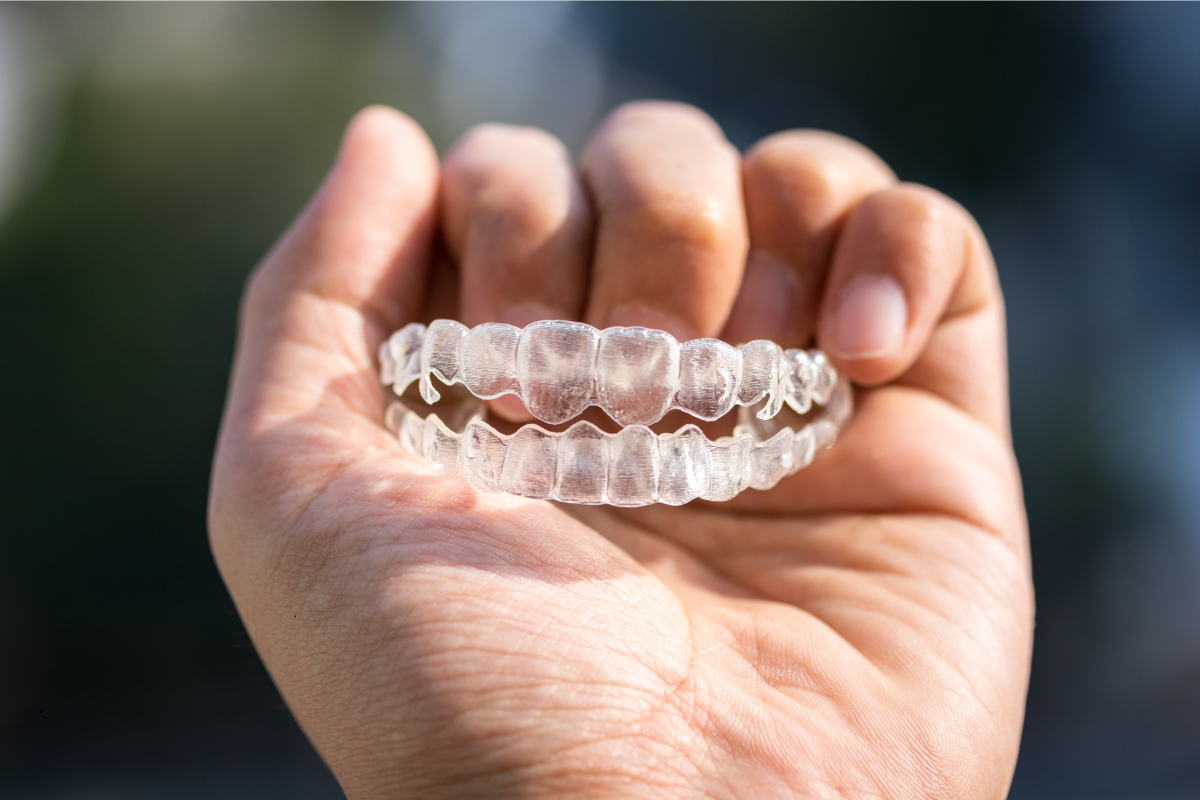
There are two main types of retainers: removable and fixed. Removable retainers are made of plastic and metal and can be taken out when eating or brushing your teeth. Fixed retainers, on the other hand, are thin wires bonded to the back of your teeth and are not removable.
Your orthodontist will recommend the type of retainer that’s best for you based on your specific needs. It’s important to follow their instructions on how and when to wear your retainer to ensure the best results.
How Long Will You Need to Wear a Retainer?
The length of time you’ll need to wear a retainer varies depending on your individual case. Typically, you’ll be advised to wear your retainer full-time for the first few months after your braces are removed. After that, you may only need to wear it at night. However, some people may need to wear a retainer for several years or even indefinitely, especially if they had significant orthodontic issues before getting braces.
Remember, wearing your retainer as directed is crucial to maintaining your new smile. Skipping days or neglecting to wear it can lead to your teeth shifting back, undoing all the hard work of your orthodontic treatment.
Caring for Your Retainer
Just like your braces, your retainer needs proper care to function effectively. Whether you have a removable or fixed retainer, keeping it clean is essential to maintaining your oral health.
Cleaning a Removable Retainer
If you have a removable retainer, you should clean it every day. Rinse it with lukewarm water after removing it from your mouth, and brush it gently with a soft toothbrush and non-abrasive toothpaste. Avoid using hot water as it can warp the plastic. Additionally, soaking your retainer in a specialized cleaner or a mixture of water and baking soda can help remove any buildup of bacteria or plaque.
Caring for a Fixed Retainer
If you have a fixed retainer, you’ll need to take extra care when brushing and flossing. Use a floss threader to get between the wire and your teeth, ensuring you remove all food particles and plaque. Regular dental checkups are also important to monitor the condition of the retainer and your overall oral health.
Maintaining Good Oral Hygiene
Good oral hygiene is crucial after your braces are removed. Even though you no longer have braces, your teeth and gums still need regular care to stay healthy and strong.
Brushing and Flossing
Continue to brush your teeth at least twice a day with fluoride toothpaste and floss daily. Brushing helps remove plaque and food particles, while flossing reaches areas between your teeth that a toothbrush can’t. Pay special attention to the areas where your retainer touches your teeth, as these can be prone to plaque buildup.
Regular Dental Visits
Routine dental visits are more important than ever after your braces come off. Regular checkups allow your dentist to monitor your teeth and gums, clean your teeth thoroughly, and catch any potential issues early. During these visits, your orthodontist can also check the fit and condition of your retainer, making any necessary adjustments to ensure it continues to do its job effectively.
Staying on Track with a Healthy Diet
Your diet can also play a role in maintaining your new smile. While you no longer have the dietary restrictions that come with braces, it’s still important to make healthy food choices that support your dental health.
Foods to Enjoy
Eating a balanced diet rich in fruits, vegetables, lean proteins, and dairy products will provide your teeth with the nutrients they need to stay strong and healthy. Foods high in calcium, such as cheese and yogurt, can help strengthen your teeth, while crunchy vegetables like carrots and celery can help clean your teeth naturally.
Foods to Limit
It’s a good idea to limit your intake of sugary snacks and drinks, as these can contribute to tooth decay and plaque buildup. Sticky and hard foods can also pose a risk to your retainer or teeth, so it’s best to enjoy these in moderation.
What to Do if You Notice Changes in Your Teeth
Even with the best care, it’s possible that you might notice some slight shifting in your teeth over time. This can be a natural part of aging, or it might indicate that your retainer isn’t fitting properly. If you notice any changes in your smile or feel that your retainer is not fitting as it should, contact your orthodontist right away. They can assess the situation and recommend the appropriate course of action to ensure your smile stays straight.
Conclusion
Maintaining your new smile after braces requires a commitment to good oral hygiene, regular retainer use, and healthy habits. By following these guidelines and staying in touch with your orthodontist, you can enjoy the results of your orthodontic treatment for years to come. Remember, the effort you put into caring for your smile now will pay off in a lifetime of confident, healthy smiles.
If you have any concerns or questions about your post-braces care, don’t hesitate to reach out to your orthodontist. They are there to support you every step of the way.