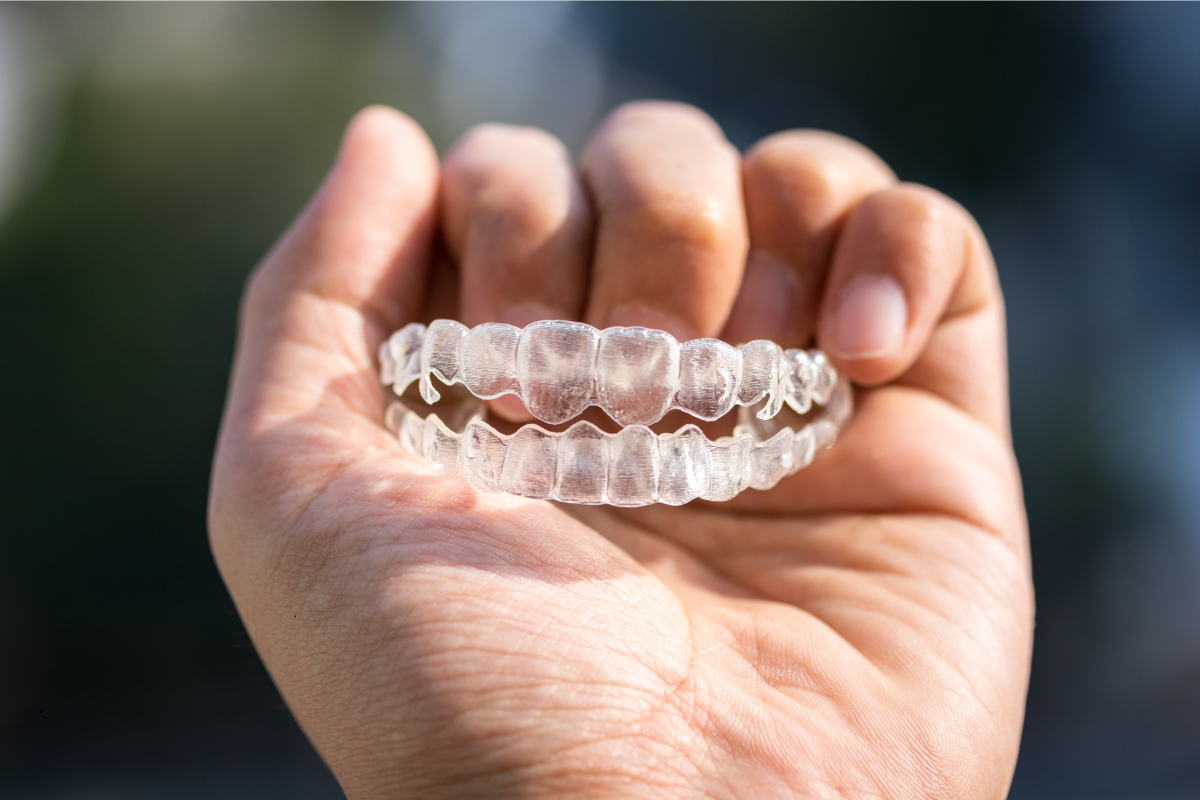
Finishing braces or clear aligner treatment is a huge milestone—but it doesn’t mean your orthodontic journey is over. The final phase, known as retention, is just as important as the correction itself. At Weaver Orthodontics in Brunswick, GA, we often see patients eager to enjoy their new smile but unsure of how crucial it is to wear their retainer consistently. So, what actually happens if you don’t wear your retainer? Let’s dive into it.
The Purpose of a Retainer
Once your teeth have been moved into their ideal positions, they need time to settle. The bone and tissue supporting your teeth are still adjusting, which makes them prone to shifting. A retainer acts like a seatbelt for your smile—it holds everything in place while your mouth stabilizes.
Not wearing your retainer interrupts this process. Without that support, teeth naturally drift back toward their original positions, especially within the first few months after treatment.
The First Week Without a Retainer: Subtle Changes
In just a matter of days, teeth can begin to move. While these changes might not be noticeable right away, your bite can start to feel slightly different. You may also find that your retainer no longer fits as snugly as before. This is an early sign that your teeth are shifting.
The First Month: Noticeable Shifting
By the time a month passes, the effects of not wearing your retainer become more visible. Gaps may reappear. Crowded teeth might slowly revert to their previous alignment. Even patients who had seemingly perfect results can experience relapse.
This is particularly common among teens and young adults, whose bones are still developing. At our Brunswick orthodontic office, we’ve seen many cases where minor neglect has led to major setbacks.
Long-Term Consequences of Skipping Retention
Over time, teeth can fully revert to their pre-treatment positions. The longer the retainer is skipped, the more dramatic the relapse. At this stage, a simple retainer might not be enough to fix the problem—you may need to go back into full orthodontic treatment, whether with braces or aligners.
This not only costs time and money but also undermines the hard work and patience already invested.
Retainers Aren’t One-Size-Fits-All
There are different types of retainers—removable ones like Hawley or clear retainers, and fixed options like bonded retainers. Each has specific care instructions and wear schedules. Failing to follow your orthodontist’s guidance can accelerate unwanted movement.
At Weaver Orthodontics in Brunswick, we tailor your retention plan to suit your lifestyle, age, and orthodontic history. It’s not just about getting straight teeth—it’s about keeping them that way.
Signs That Your Teeth Are Moving
If you’ve skipped your retainer recently, watch for these common signs of shifting:
-
Tight or uncomfortable fit when you try to wear it again
-
New gaps or crowding
-
Misaligned bite
-
Jaw tension or mild discomfort when chewing
If you’re noticing any of these signs, it’s time to visit your orthodontist in Brunswick for a professional evaluation.
How to Get Back on Track
If your retainer doesn’t fit anymore, don’t force it—it could damage your teeth or the device itself. Schedule a visit to assess whether a new retainer can help or if further treatment is needed. In many cases, quick intervention can stop minor relapse before it becomes a bigger issue.
Conclusion
Your orthodontic journey doesn’t end when the braces come off—it continues with retention. Skipping your retainer can slowly undo months (or even years) of progress. Teeth are always in motion, especially in the first year after treatment. To maintain the results you worked so hard for, wear your retainer as instructed, and follow up with your local orthodontic team when needed.