After completing orthodontic treatment, many people are eager to show off their new smiles. Whether you’ve had braces or clear aligners, the transformation can be remarkable. However, the journey to a perfect smile doesn’t end when the braces come off or the aligners are removed. The next step involves retainers, which play a vital role in maintaining your smile. This blog will explore the importance of retainers, how they work, and why consistent use is crucial for long-term success.
Understanding Retainers
Retainers are custom-made devices designed to hold your teeth in their new positions after orthodontic treatment. Your teeth are not permanently fixed in their new places immediately after braces or aligners are removed. They can shift back to their original positions without proper retention. That’s where retainers come in.
Retainers can be made from various materials and come in different types. The most common types include:
- Fixed Retainers: These are bonded to the back of your teeth and are typically used for the lower front teeth. They are not removable, making them a reliable option for long-term retention.
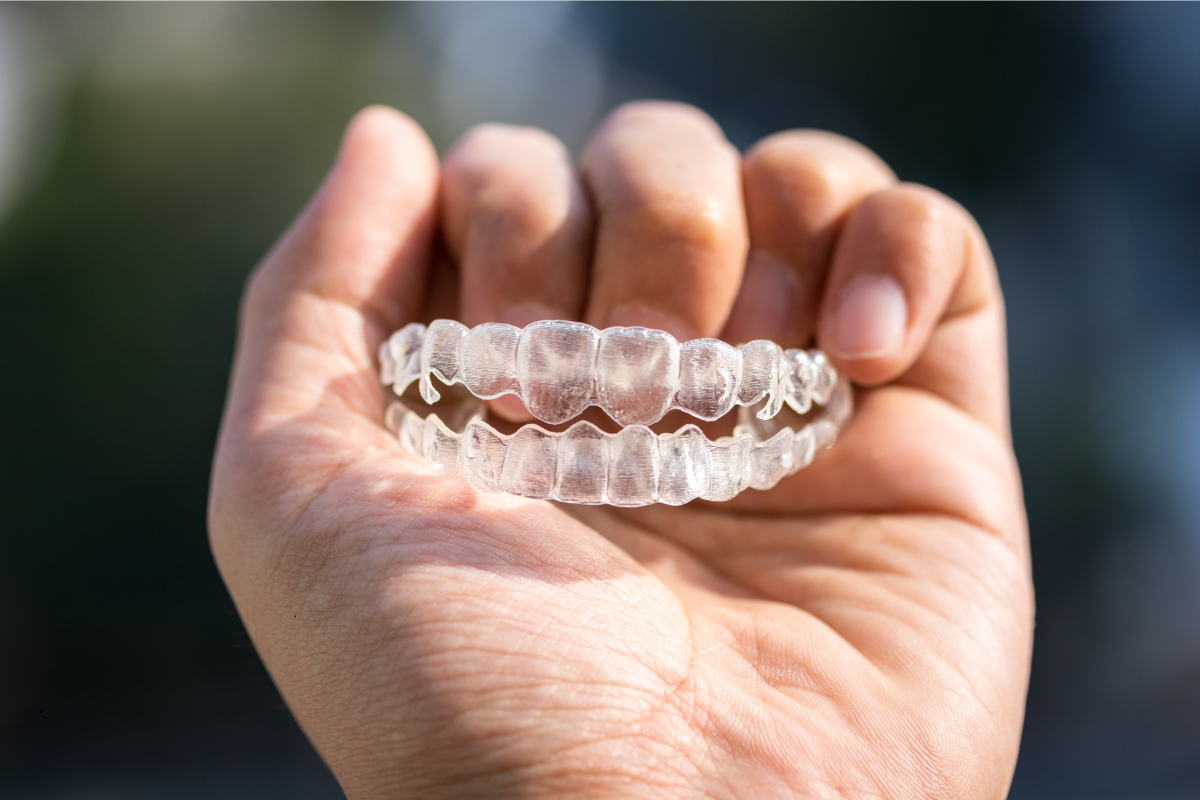
- Removable Retainers: These are plastic and wire devices that can be taken out for eating and cleaning. They are usually worn full-time initially, then transitioned to night-time use as your teeth stabilize.
Why Retainers Are Essential
After orthodontic treatment, your teeth are still settling into their new positions. Retainers help to ensure that your teeth stay aligned while the surrounding tissues adjust. Here are some key reasons why retainers are crucial:
1. Preventing Relapse
One of the main reasons retainers are needed is to prevent relapse. Even after a successful orthodontic treatment, your teeth can drift back to their original positions if they are not supported. This movement can occur for various reasons, including muscle memory from chewing and the natural pressure of your lips and tongue.
Using a retainer as prescribed by your orthodontist can help keep your teeth in place, significantly reducing the chances of relapse.
2. Supporting Gum and Bone Health
After your teeth have moved, the surrounding gums and bone need time to adapt. Retainers provide the necessary support during this transition, helping to stabilize your teeth and ensure that the bone and gums heal properly. This support is crucial for maintaining your oral health and preventing complications down the line.
3. Encouraging New Habits
Wearing a retainer encourages you to establish new oral habits. For example, if you have been used to wearing braces or aligners, putting on a retainer reinforces the idea that your teeth require ongoing care. This transition can help you maintain a consistent oral hygiene routine, reducing the risk of cavities and gum disease.
How to Care for Your Retainer
Proper care and maintenance of your retainer are essential for its effectiveness and longevity. Here are some tips to keep in mind:
1. Clean Your Retainer Daily
Just like your teeth, your retainer needs to be cleaned regularly. Rinse it under lukewarm water each day and use a soft toothbrush to gently scrub away plaque and food particles. Avoid using hot water, as it can warp the retainer.
2. Store It Safely
When you’re not wearing your retainer, store it in its case. This protects it from damage and helps you remember to wear it consistently. Avoid wrapping it in a tissue or leaving it out in the open, as it can easily be lost or accidentally thrown away.
3. Avoid Food and Drink
It’s best to remove your retainer when eating or drinking anything other than water. Food particles can get trapped, leading to plaque buildup and potential damage to the retainer.
The Importance of Regular Check-Ups
Even after your orthodontic treatment is complete, regular visits to your orthodontist or dentist are important. These check-ups allow your dental care provider to monitor your retention process and make any necessary adjustments.
Your orthodontist can also provide guidance on how long you should wear your retainer each day. In general, you may need to wear it full-time for the first few months after treatment, gradually transitioning to night-time wear.
Addressing Common Concerns
1. Discomfort or Tightness
When you first start wearing your retainer, you may experience some discomfort or a tight feeling. This is normal as your teeth adjust to the device. If discomfort persists or worsens, contact your orthodontist for advice.
2. Lost or Damaged Retainers
If you lose or damage your retainer, it’s important to seek a replacement as soon as possible. Delaying a replacement can put your teeth at risk for shifting. Your orthodontist can provide a new retainer to ensure your smile remains intact.
The Impact on Your Smile
Maintaining the results of your orthodontic treatment is not just about keeping your teeth straight; it’s about preserving your overall oral health. Consistent use of retainers can help you enjoy the benefits of your hard work and investment in your smile.
The retention process can be an adjustment, but it is a crucial step in ensuring your teeth remain in their optimal positions. Many people find that the effort to wear a retainer is well worth the peace of mind it brings. A little diligence can lead to long-lasting results, allowing you to maintain your beautiful smile for years to come.
Conclusion
Retainers play a crucial role in the orthodontic journey, helping to keep your teeth aligned and your smile looking its best. By understanding their importance and committing to proper care and usage, you can significantly reduce the chances of relapse after your orthodontic treatment.
If you have any concerns about your retainer or need advice on retention, don’t hesitate to reach out to your orthodontist. They can provide guidance tailored to your specific situation, ensuring that you maintain a healthy, beautiful smile for a lifetime. Embrace your retention journey—your smile will thank you!